

Exploring the realm of vinyl siding repair near me, this introduction offers a comprehensive look at the importance of timely maintenance and the common issues that arise. Delve into the world of DIY versus professional repairs and gain insights into the necessary steps for a successful repair job.
As we navigate through the nuances of vinyl siding repair, readers will be equipped with valuable knowledge to make informed decisions when it comes to maintaining and repairing their vinyl siding.
Importance of Vinyl Siding Repair
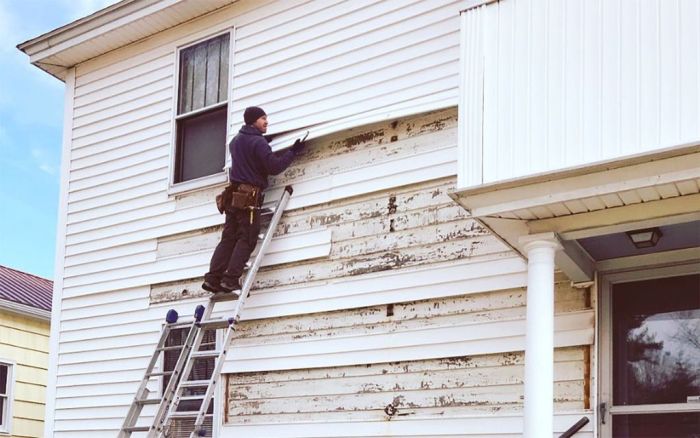
Timely vinyl siding repair is crucial for maintaining the appearance and structural integrity of your home. Ignoring damaged vinyl siding can lead to a host of problems that can be costly to fix in the long run.
Benefits of Timely Vinyl Siding Repair
- Prevents water damage: Cracks or holes in vinyl siding can allow water to seep in, leading to mold, mildew, and rot.
- Enhances curb appeal: Repairing damaged siding can improve the overall look of your home, increasing its value and aesthetic appeal.
- Protects against pests: Holes in siding can provide entry points for insects and rodents, which can cause further damage.
Consequences of Neglecting Vinyl Siding Damage
- Structural damage: Water infiltration can weaken the structure of your home, leading to costly repairs.
- Decreased energy efficiency: Holes in siding can result in air leaks, causing your heating and cooling bills to increase.
- Aesthetic deterioration: Cracked or missing siding can make your home look unkempt and decrease its overall appeal.
Extending the Lifespan of Vinyl Siding
- Regular inspections: Check for signs of damage such as cracks, holes, or warping, and address them promptly.
- Cleaning and maintenance: Wash your siding annually to remove dirt, mold, and mildew that can cause damage over time.
- Professional repairs: Consult with a professional if you notice significant damage to ensure proper and long-lasting repairs.
Common Vinyl Siding Repair Issues
When it comes to vinyl siding, there are several common issues that may require repair. Understanding these problems and their causes can help homeowners maintain the integrity of their siding.
Cracks and Holes
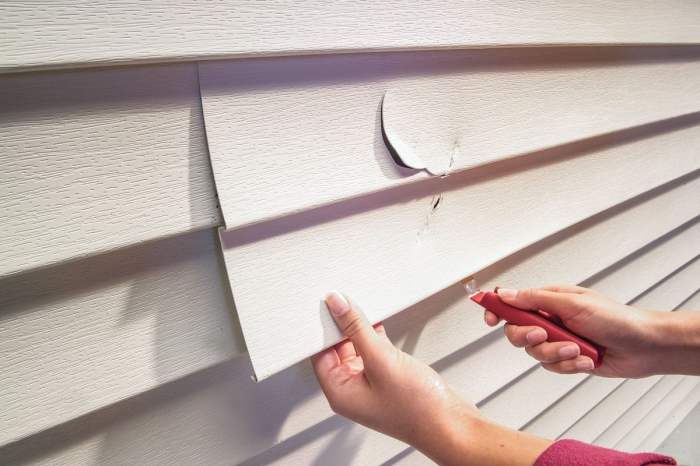
One of the most frequent issues with vinyl siding is cracks and holes. These can occur due to impact from debris, extreme temperatures causing the vinyl to expand and contract, or improper installation.
Fading and Discoloration
Vinyl siding is prone to fading and discoloration over time, especially when exposed to harsh sunlight or extreme weather conditions. This can detract from the curb appeal of your home and may require repair or replacement.
Warped or Buckling Panels
Warped or buckling vinyl siding panels are often caused by moisture infiltration, improper installation, or age. These issues not only affect the appearance of your home but can also lead to further damage if left unaddressed.
Mold and Mildew Growth
Moisture trapped behind vinyl siding can create the perfect environment for mold and mildew to thrive. This not only poses health risks but can also weaken the siding and compromise its structural integrity.
DIY vs. Professional Repair
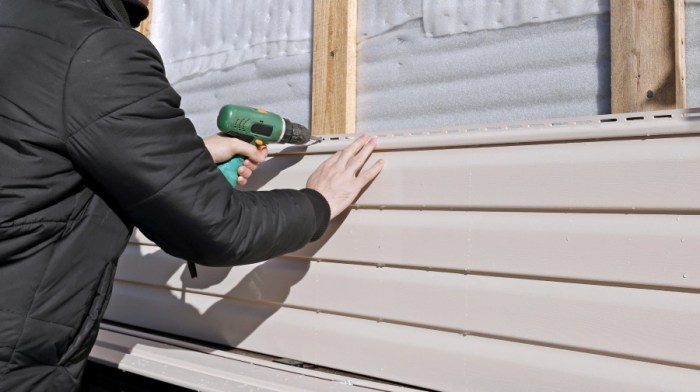
When it comes to vinyl siding repair, homeowners often face the decision of whether to tackle the project themselves or hire a professional. Each option has its own set of advantages and disadvantages, depending on the complexity of the repair and the homeowner's experience with DIY projects.
Advantages and Disadvantages of DIY Repairs
- Advantages:
- Cost-effective: DIY repairs can save money on labor costs.
- Sense of accomplishment: Completing a repair yourself can be rewarding.
- Flexibility: You can work on the repair at your own pace.
- Disadvantages:
- Lack of expertise: DIY repairs may not always result in a professional finish.
- Time-consuming: Projects might take longer if you're not experienced.
- Safety risks: Working at heights or with power tools can be dangerous for inexperienced individuals.
- Lack of expertise: DIY repairs may not always result in a professional finish
When to Hire a Professional for Vinyl Siding Repair
- If the repair involves extensive damage or requires specialized tools, it's best to hire a professional.
- Professionals have the expertise to quickly and accurately assess the problem and provide a long-lasting solution.
- For complex repairs, such as structural issues or intricate designs, a professional contractor can ensure the job is done correctly.
Tips for Finding Reliable Contractors for Siding Repair
- Ask for recommendations from friends, family, or neighbors who have had similar work done.
- Research online reviews and ratings of local contractors to gauge their reliability and quality of work.
- Request quotes from multiple contractors to compare pricing and services offered.
- Ensure the contractor is licensed, bonded, and insured to protect yourself from liability in case of accidents or damages.
Steps for Repairing Vinyl Siding
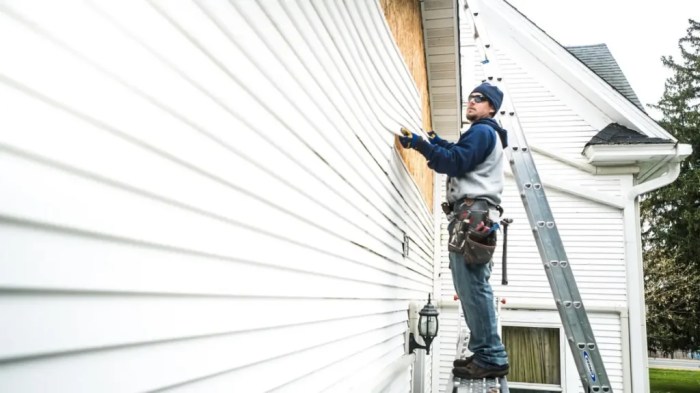
Repairing vinyl siding can be a straightforward process if you follow the right steps. Below are the basic steps involved in repairing vinyl siding, along with detailed instructions on patching small holes.
Patching Small Holes in Vinyl Siding
To patch small holes in vinyl siding, you will need the following tools and materials:
- Vinyl siding patch kit or replacement panel
- Utility knife
- Caulk gun
- Exterior caulk
- Paint that matches the color of your siding
Once you have gathered these materials, follow these steps to patch small holes in vinyl siding:
- Clean the area around the hole with a mild detergent and water to remove dirt and debris.
- Cut a piece from the vinyl siding patch kit or replacement panel that is slightly larger than the hole.
- Place the patch over the hole and trace its Artikel on the siding using a pencil.
- Using a utility knife, carefully cut along the traced lines to create a hole in the shape of the patch.
- Apply exterior caulk around the edges of the hole and press the patch firmly into place.
- Seal the edges of the patch with more caulk to ensure a watertight seal.
- Allow the caulk to dry completely before painting over the patch with matching paint to blend it in with the rest of the siding.
By following these steps, you can effectively patch small holes in vinyl siding and prevent further damage to your home's exterior.
Closure
In conclusion, vinyl siding repair near me is not just a task but a crucial investment in the longevity and aesthetics of your home. By understanding the nuances of repair, you can ensure a durable and visually appealing exterior for years to come.
Q&A
What are the benefits of timely vinyl siding repair?
Timely repair can prevent further damage, prolong the lifespan of your siding, and maintain the curb appeal of your home.
When should I consider hiring a professional for vinyl siding repair?
If the damage is extensive, requires specialized tools or skills, or if you're unsure about the repair process, it's best to hire a professional.
What tools and materials are needed for a successful vinyl siding repair job?
You'll typically need a utility knife, zip tool, caulking gun, replacement siding panels, and color-matching caulk among other basic tools and materials.

