

Embark on a journey to transform your home with our siding upgrade services. Discover the key aspects of different siding materials, the process of upgrading, and the benefits that come with it. Let's delve into the world of siding upgrades and uncover how they can revamp your property.
Types of Siding Upgrades
When it comes to upgrading the siding of your home, there are several common types of siding materials to choose from. Each type has its own set of benefits and drawbacks, as well as varying levels of durability and maintenance requirements.
Vinyl Siding
Vinyl siding is one of the most popular choices for siding upgrades due to its affordability and low maintenance. It is available in a wide range of colors and styles, making it a versatile option for many homeowners. However, vinyl siding may not be as durable as other materials and can crack or fade over time.
Fiber Cement Siding
Fiber cement siding is a durable and low-maintenance option that can mimic the look of wood, stucco, or masonry. It is resistant to rot, fire, and termites, making it a long-lasting choice for homeowners. However, fiber cement siding is heavier than other materials, which may require additional support during installation.
Wood Siding
Wood siding offers a natural and timeless look that can enhance the curb appeal of a home. It is available in a variety of species, such as cedar or redwood, that can be stained or painted to match the homeowner's preference.
However, wood siding requires regular maintenance, including painting or staining, to prevent rot, mold, and insect damage.
Siding Upgrade Process
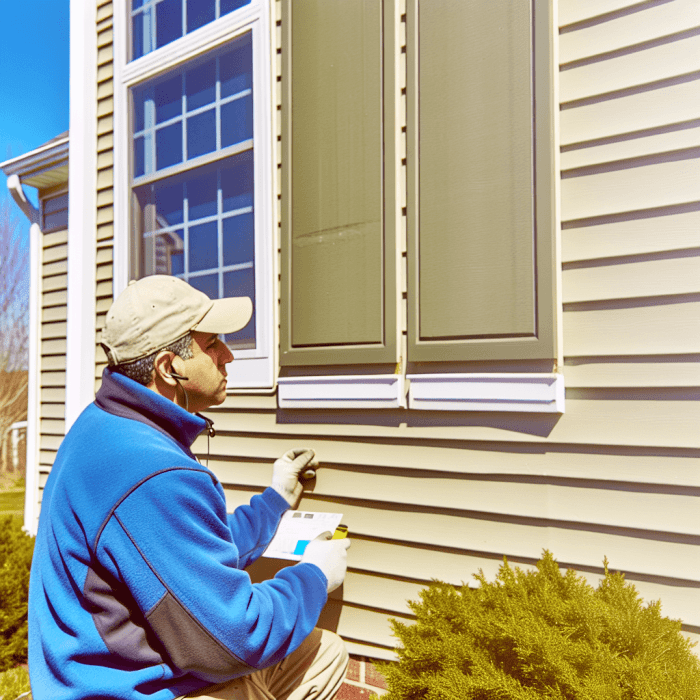
When upgrading the siding on a residential property, it is important to follow a detailed step-by-step process to ensure a successful outcome. This involves selecting the right materials, preparing the existing surface, and using the appropriate tools and equipment for the job.
Selecting the Right Materials
- Choose a siding material that suits the style of your home and fits within your budget.
- Consider factors such as durability, maintenance requirements, and energy efficiency when selecting the siding material.
- Consult with a professional to determine the best siding material for your specific needs.
Preparing the Existing Surface
- Clean the existing siding surface thoroughly to remove dirt, debris, and any mildew or mold growth.
- Repair any damaged areas on the existing siding before installing the new siding.
- Apply a primer or sealant to the surface to ensure proper adhesion of the new siding material.
Tools and Equipment
- Common tools needed for a siding upgrade project include a hammer, nails, a level, a tape measure, a circular saw, and a utility knife.
- Specialized tools such as a siding nailer, a chalk line, and a zip tool may also be necessary for specific siding materials.
- Personal protective equipment such as gloves, safety glasses, and a dust mask should be worn during the project.
Cost Considerations
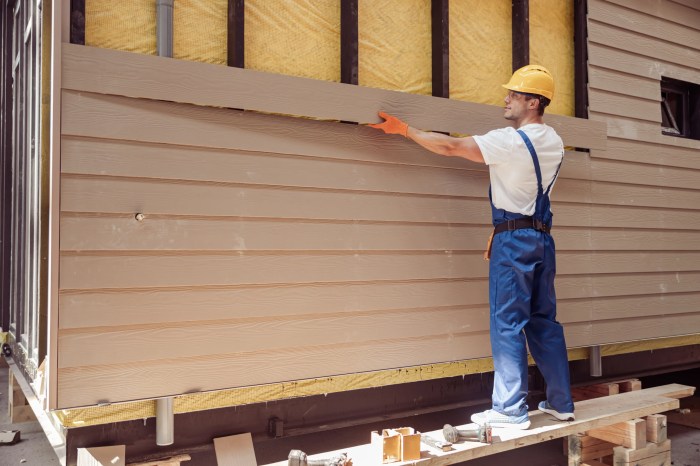
When it comes to siding upgrades, the costs can vary depending on several factors. The two main components that contribute to the overall cost are the materials used and the labor involved. Understanding these costs is crucial for homeowners looking to upgrade their siding.
Materials Cost
The cost of materials for siding upgrades can range from $1 to $10 per square foot, depending on the type of siding chosen. Vinyl siding tends to be on the lower end of the price range, while options like fiber cement or wood siding can be more expensive.
It's essential to consider both the initial cost of the materials and their long-term durability when making a decision.
Labor Cost
Labor costs for siding upgrades typically range from $40 to $70 per hour, with the total cost depending on the size of the property and the complexity of the installation. Factors like removing old siding, preparing the surface, and any additional customizations can also impact the labor cost.
It's important to get multiple quotes from reputable contractors to ensure a fair price.
Factors Impacting Costs
The size of the property plays a significant role in determining the overall cost of a siding upgrade. Larger homes will require more materials and labor, resulting in higher costs. Additionally, the choice of siding material can impact costs, with premium materials costing more upfront but potentially saving money in the long run due to their durability and low maintenance requirements.
Cost-Saving Tips
- Consider opting for vinyl siding, which is more affordable compared to other materials.
- Get multiple quotes from different contractors to ensure you're getting a competitive price.
- Plan the upgrade during the off-season when contractors may offer discounts.
- Explore financing options or incentives that may be available for energy-efficient siding upgrades.
- Consider DIY options for simple siding installations to save on labor costs.
Benefits of Siding Upgrades
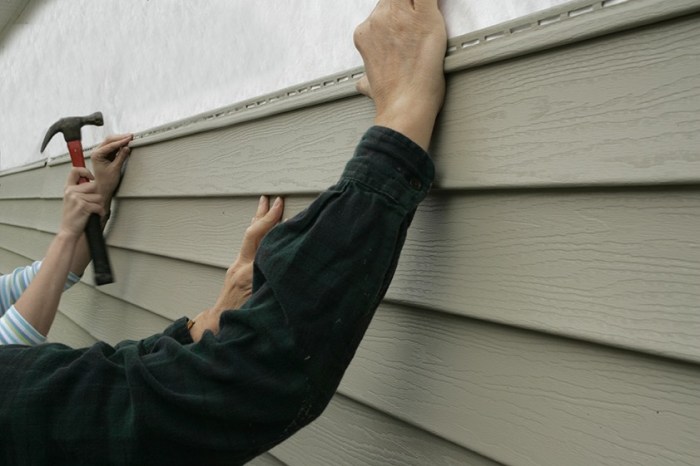
Upgrading the siding of a home offers a range of benefits that go beyond just aesthetics. From improving energy efficiency to increasing property value, a siding upgrade can have a significant impact on the overall well-being and longevity of a home.
Enhanced Energy Efficiency and Insulation
One of the key advantages of upgrading siding is the boost in energy efficiency it provides. New siding materials offer better insulation, helping to regulate indoor temperatures and reduce heating and cooling costs. By minimizing air leakage and improving thermal resistance, homeowners can enjoy a more comfortable living environment while lowering their energy bills.
Enhanced Curb Appeal and Value
Another major benefit of siding upgrades is the enhancement of a home's curb appeal and overall value. Fresh, modern siding can transform the look of a property, increasing its attractiveness and creating a positive first impression. This not only makes the home more appealing to potential buyers but also adds to its resale value, making it a worthwhile investment in the long run.
Improved Protection from Weather Elements
New siding acts as a protective barrier against harsh weather conditions, such as rain, wind, and snow. By shielding the exterior of the home from moisture and debris, siding upgrades can prevent damage and deterioration over time. This helps to extend the lifespan of the property and reduce the need for costly repairs, ultimately saving homeowners time and money in the long term.
Closure
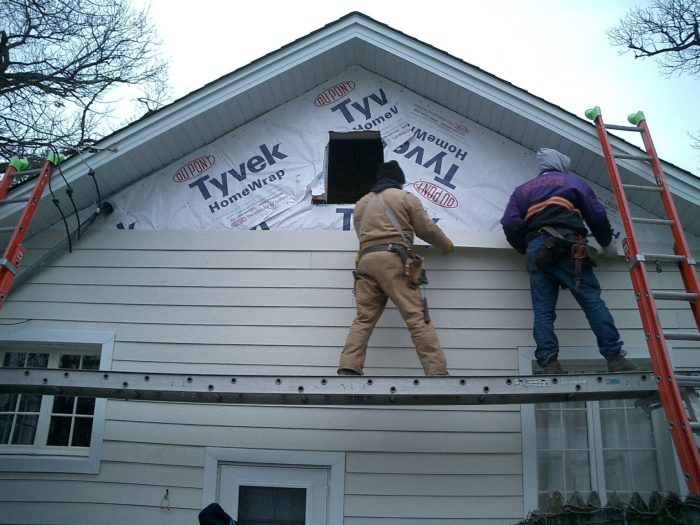
In conclusion, siding upgrades not only add aesthetic appeal but also provide practical benefits like energy efficiency and protection. Consider upgrading your siding to enhance your home's value and durability. Take the first step towards a better home today.
Expert Answers
What are the benefits of upgrading siding for energy efficiency?
Upgrading siding can improve insulation, leading to reduced energy consumption and lower utility bills.
How can siding upgrades impact the curb appeal of a home?
New siding can refresh the look of a property, increasing its attractiveness and overall value.
Are there cost-saving tips for homeowners planning a siding upgrade?
Opting for cost-effective materials and comparing quotes from different contractors can help save money on a siding upgrade project.

