

Embark on a journey to enhance your home's exterior with our comprehensive guide on vinyl siding panel repair. Delve into the world of maintaining and repairing vinyl siding panels to keep your house looking pristine and well-kept.
Discover the essential tools, techniques, and tips needed to tackle any repair job with confidence and skill.
Introduction to Vinyl Siding Panel Repair
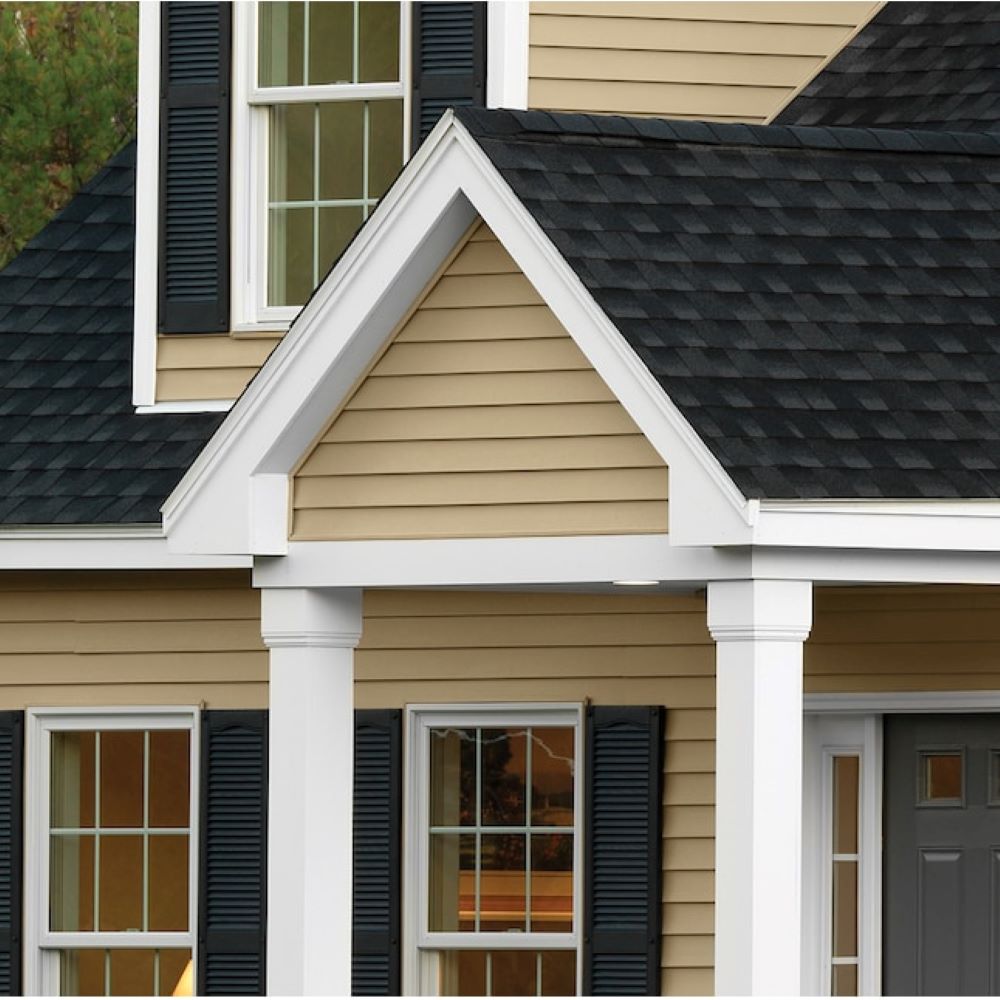
Keeping your vinyl siding panels in good condition is crucial for maintaining the appearance and integrity of your home. Regular maintenance and timely repairs can help extend the lifespan of your siding and prevent more extensive damage in the future.
Common Issues Requiring Repair
- Cracks and holes: Over time, vinyl siding panels can develop cracks or holes due to various factors such as impact damage, weather conditions, or improper installation.
- Warped or buckled panels: Exposure to extreme temperatures or moisture can cause vinyl siding panels to warp or buckle, affecting the overall look of your home.
- Fading or discoloration: Sun exposure and harsh weather can lead to fading or discoloration of vinyl siding, making your home look dull and worn out.
Benefits of Repairing vs. Replacing
- Cost-effective: Repairing damaged vinyl siding panels is often more affordable than replacing the entire siding, saving you money in the long run.
- Prolongs lifespan: Addressing issues promptly through repairs can help extend the lifespan of your vinyl siding, avoiding the need for premature replacement.
- Maintains curb appeal: Repairing damaged panels can improve the overall appearance of your home, enhancing its curb appeal and increasing its value.
Tools and Materials Needed
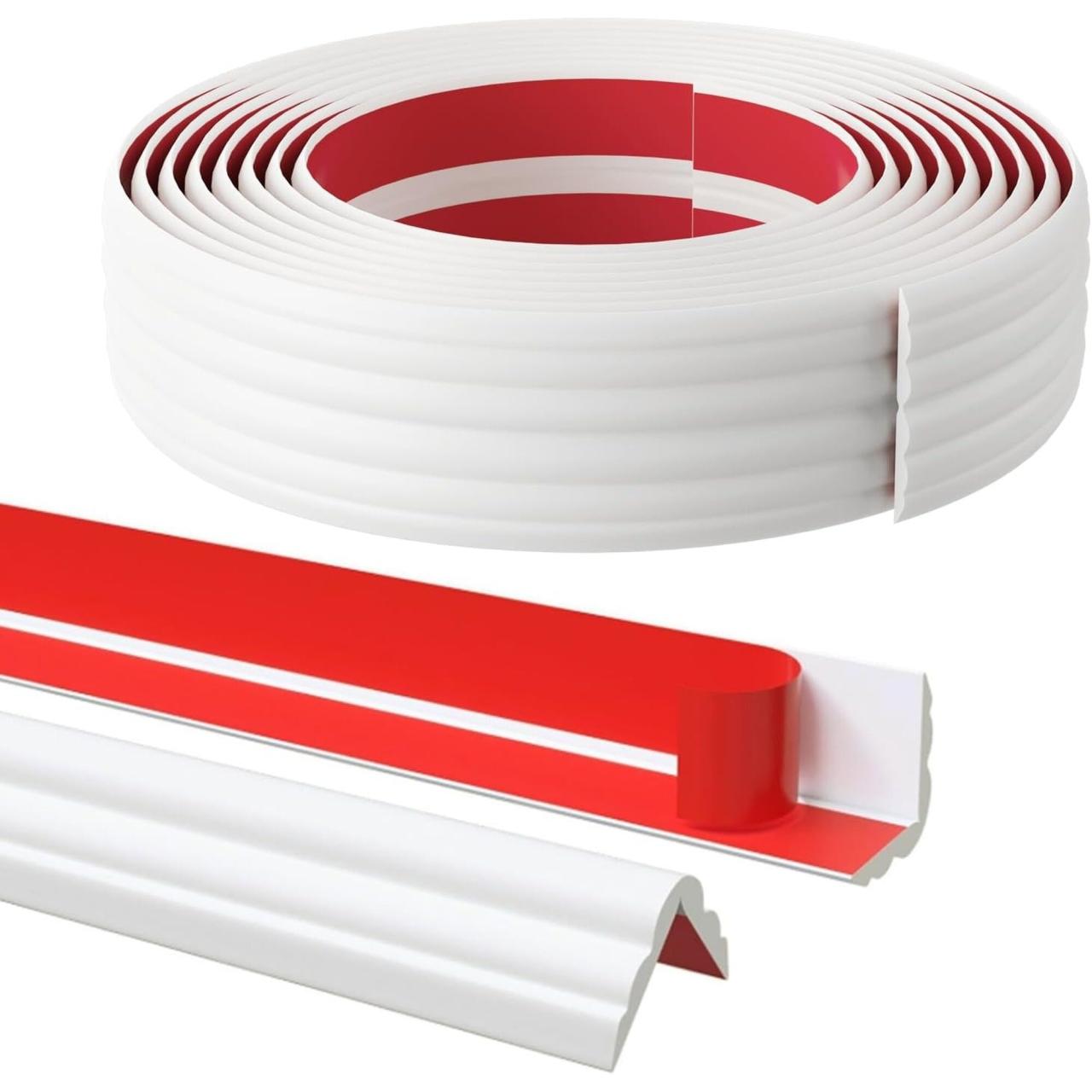
When it comes to repairing vinyl siding panels, having the right tools and materials is crucial to ensure a successful and efficient repair process. Here are the essential items you will need:
Tools:
- Vinyl siding zip tool or removal tool
- Hammer
- Tin snips
- Utility knife
- Caulk gun
- Level
- Ladder
- Screwdriver
- Tape measure
Materials:
- Replacement vinyl siding panel
- Galvanized nails or screws
- Vinyl siding cleaner
- Paint or touch-up kit (if needed)
- Exterior caulk
- Zip screws
- Zip lock tool
Safety Equipment:
- Safety goggles
- Gloves
- Dust mask
- Work boots
- Protective clothing
Inspection and Assessment
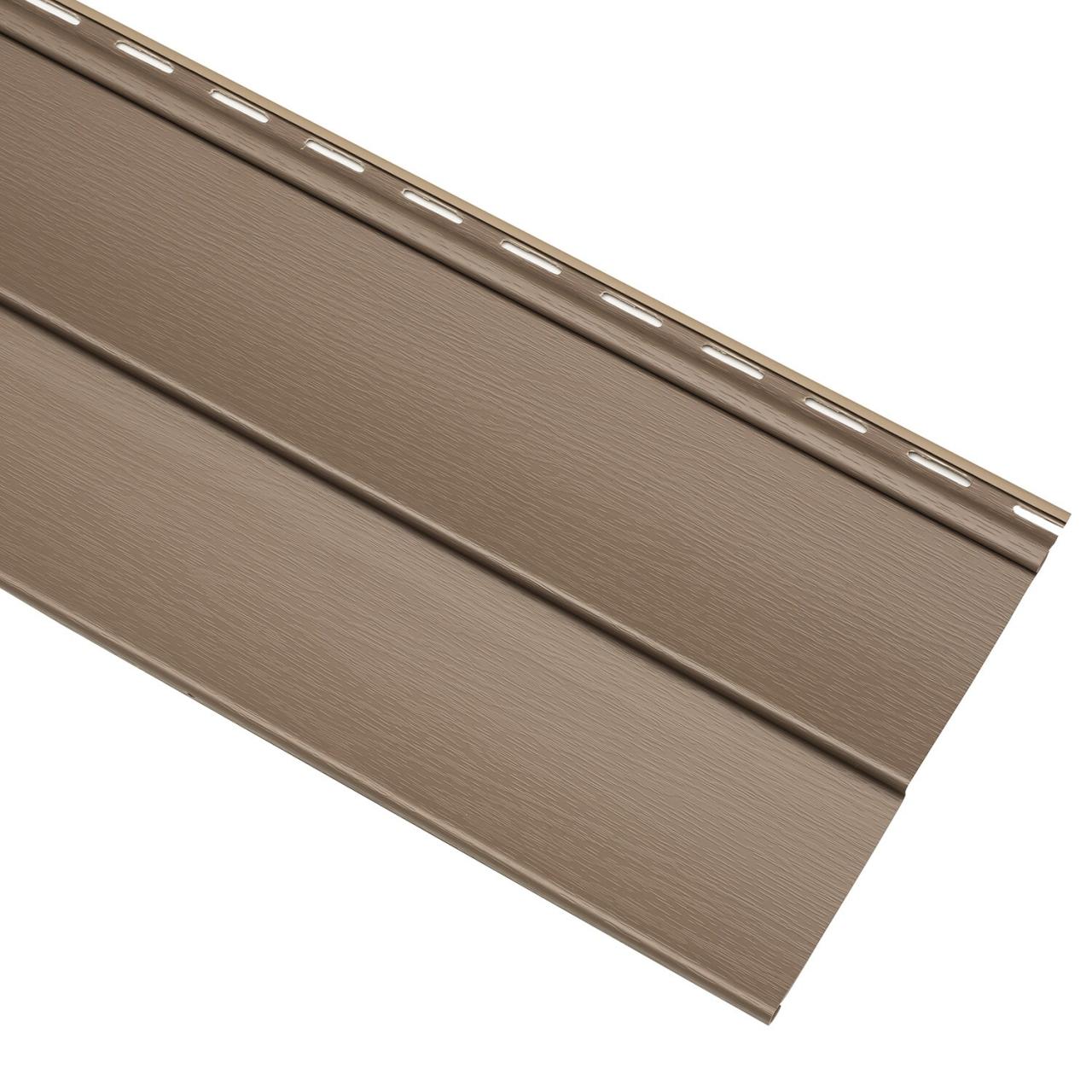
When it comes to vinyl siding panel repair, the first step is to thoroughly inspect the panels for any signs of damage. This will help determine the extent of the repair needed and whether a panel should be repaired or replaced.
Inspecting Vinyl Siding Panels for Damage
- Begin by visually examining the entire surface of the siding panels for any cracks, holes, warping, or discoloration.
- Check for signs of moisture damage, such as mold, mildew, or rot, which can indicate underlying issues.
- Pay attention to any loose or missing panels, as these can compromise the integrity of the entire siding system.
Assessing the Extent of Repair Needed
- Measure the size and location of the damage on the siding panels to determine if a repair is feasible or if replacement is necessary.
- Consider the age and condition of the siding panels to assess whether a simple repair will suffice or if more extensive work is required.
- Consult with a professional if you are unsure about the extent of the damage or the best course of action for repair.
Signs for Repair or Replacement
- Cracks or holes that are large or widespread may indicate the need for a panel replacement rather than a repair.
- If the siding panels are severely faded, warped, or damaged beyond repair, it may be time to replace them entirely.
- Missing or loose panels that cannot be securely reattached may need to be replaced to maintain the structural integrity of the siding system.
Preparation Before Repair
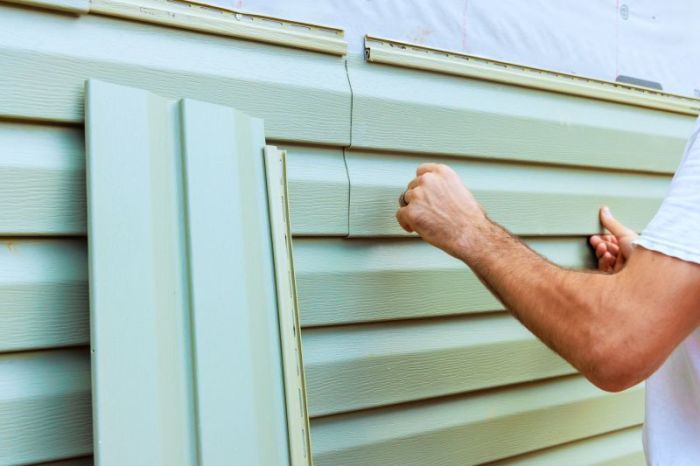
Before starting the repair of vinyl siding panels, it is crucial to properly prepare the work area to ensure a successful outcome. This includes cleaning the siding panels and removing any obstacles that may hinder the repair process.
Cleaning the Siding Panels
To clean the siding panels before beginning repairs, follow these steps:
- Start by removing any dirt, debris, or mold from the surface of the panels using a soft brush or cloth.
- Mix a solution of warm water and mild detergent, then use a soft brush or sponge to scrub the panels gently.
- Rinse the panels thoroughly with clean water to remove any soap residue.
- Allow the siding panels to dry completely before proceeding with the repair.
Removing Obstacles
Before starting the repair work, ensure that there are no obstacles that may impede the process. This includes:
- Clearing the area around the damaged panels of any furniture, plants, or other objects that may be in the way.
- Ensuring easy access to the damaged panels by removing any obstructions such as overgrown vegetation or debris.
- If necessary, use a ladder or other equipment to reach higher panels without any hindrance.
Repair Techniques
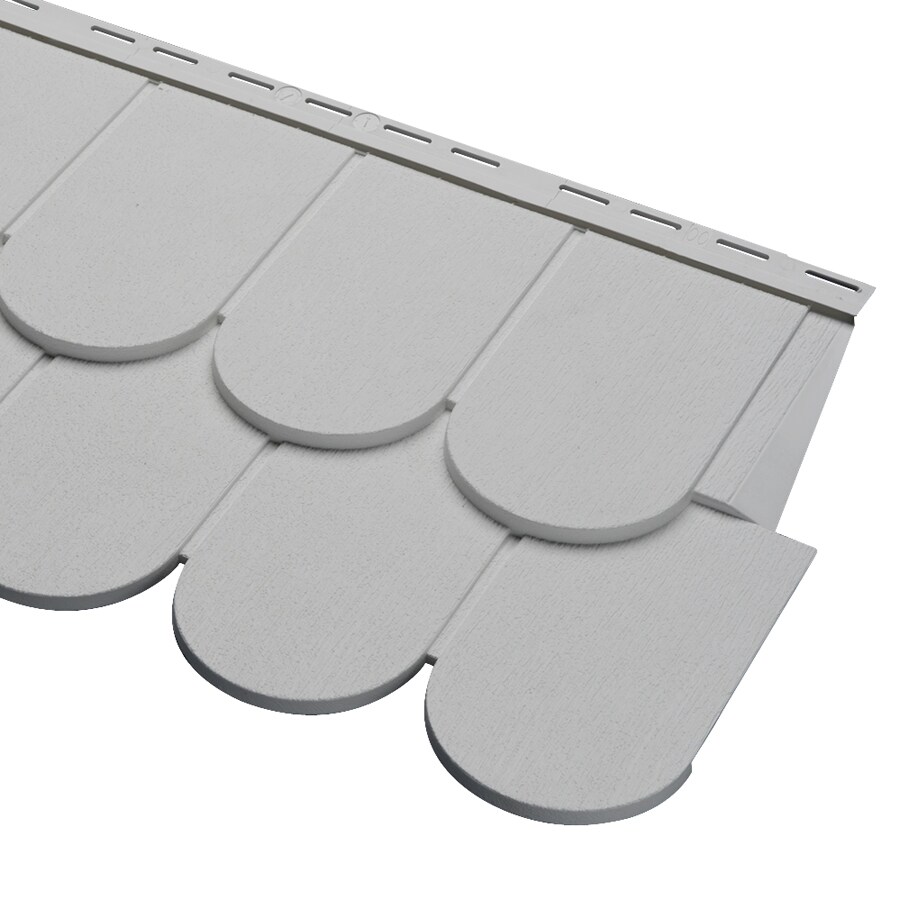
When it comes to repairing vinyl siding panels, there are various techniques that can be used depending on the type of damage. Whether it's cracks, loose panels, warped panels, or holes and punctures, each issue requires a different approach to ensure a proper repair.
Repairing Cracks in Vinyl Siding Panels
- One method to repair cracks in vinyl siding panels is to use a vinyl siding repair tape. This specialized tape is designed to adhere to the siding and provide a seamless repair.
- Another technique is to fill the crack with a color-matched vinyl siding caulk. This caulk not only seals the crack but also helps blend the repair with the rest of the siding.
- If the crack is too large to be repaired with tape or caulk, replacing the damaged panel may be necessary for a more permanent fix.
Fixing Loose or Warped Panels
- To fix loose or warped vinyl siding panels, start by removing the panel from the wall.
- Straighten the panel if it's warped and reattach it securely to the wall using siding nails or screws.
- For loose panels, ensure that the underlying structure is sound before reattaching the panel to prevent future issues.
Addressing Holes or Punctures in the Siding
- Small holes or punctures in vinyl siding can be patched with a vinyl siding repair kit. This kit typically includes patching material and adhesive to cover the damaged area.
- For larger holes or punctures, replacing the damaged section of the siding may be necessary for a more effective repair.
- It's important to make sure the replacement panel matches the color and style of the existing siding for a seamless finish.
Painting and Finishing
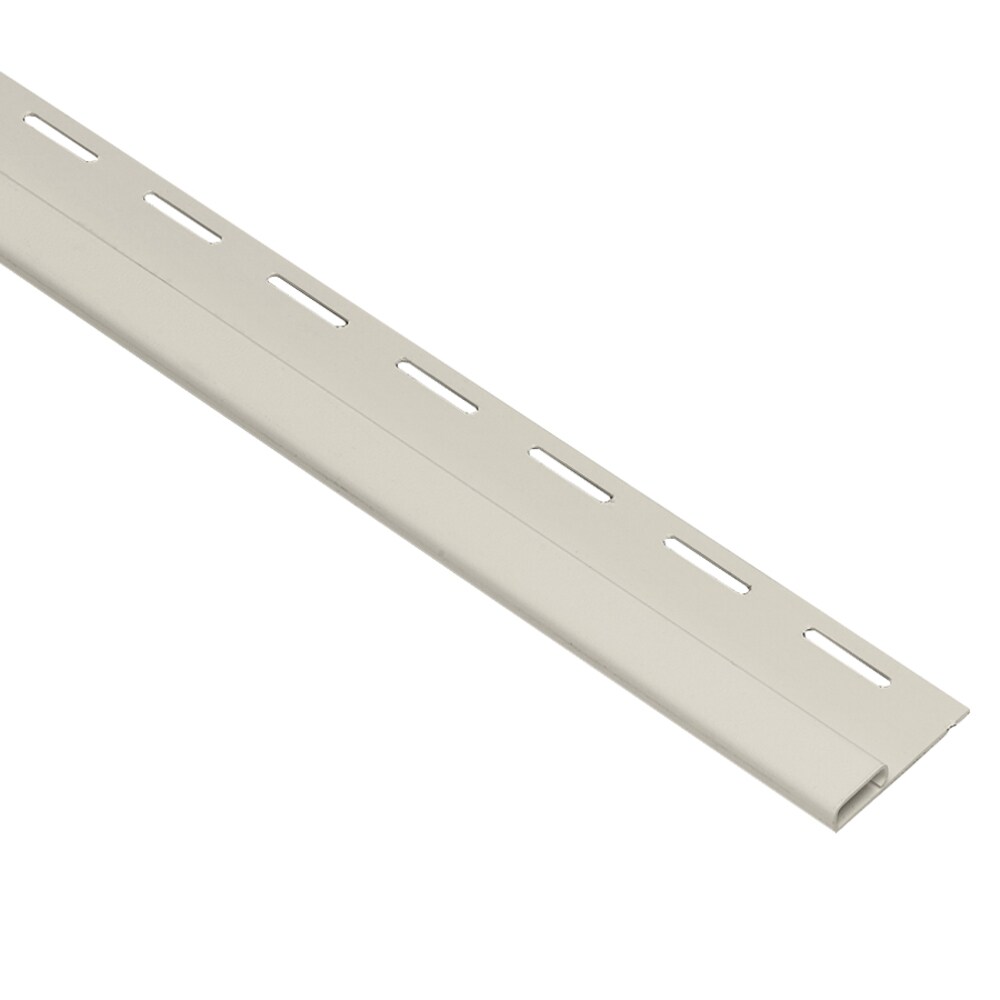
When it comes to repairing vinyl siding panels, painting and finishing are crucial steps to ensure a seamless and professional look. Matching the paint color accurately and blending the repaired area with the rest of the siding are essential for a successful repair job.
Matching Paint Colors
- Start by taking a sample of the existing siding to a paint store for color matching.
- Ensure the paint store uses a spectrophotometer to get an exact match for the color.
- Consider factors like sheen and texture to achieve a seamless finish.
Painting Repaired Vinyl Siding Panels
- Clean the repaired area thoroughly before painting to remove any dirt, dust, or debris.
- Apply a primer specifically designed for vinyl siding to ensure proper adhesion of the paint.
- Use a high-quality exterior paint recommended for vinyl surfaces for a long-lasting finish.
- Apply the paint evenly in thin coats, allowing each coat to dry completely before applying the next one.
Blending the Repaired Area
- Feather the edges of the repaired area with the surrounding siding to create a smooth transition.
- Use a blending technique by lightly misting paint over the repaired area and onto the adjacent siding.
- Blend the colors gradually until the repaired area seamlessly matches the rest of the siding.
Conclusion
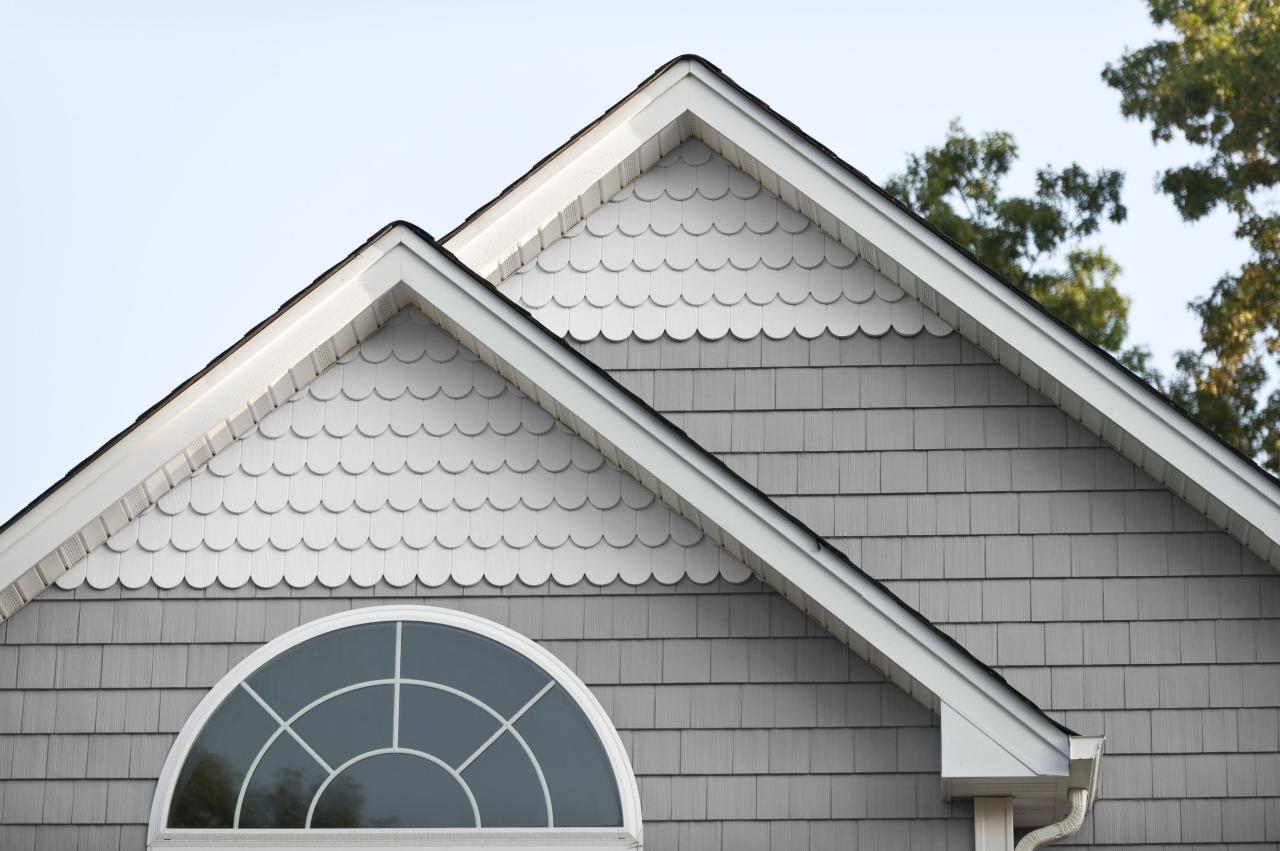
In conclusion, mastering the art of vinyl siding panel repair not only elevates the aesthetics of your home but also ensures durability and longevity. With the knowledge gained, you're now equipped to take on any repair challenge with finesse.
FAQs
What are some common issues that require vinyl siding panel repair?
Common issues include cracks, warping, and punctures that can compromise the integrity of the panels.
How do I prepare my work area before starting the repair process?
Clear the area of any debris, ensure safety measures are in place, and gather all necessary tools and materials for a smooth repair job.
What safety equipment should I use during vinyl siding panel repairs?
Safety goggles, gloves, and a sturdy ladder are essential for protecting yourself during the repair process.

