

Exploring the world of green siding solutions, this article delves into the benefits of using eco-friendly materials for your home's exterior. From cost considerations to environmental impact, discover the key aspects of sustainable siding options that not only enhance your home but also contribute to a greener planet.
Green Siding Solutions Overview
Green siding solutions refer to the use of environmentally friendly materials and practices in the installation and maintenance of siding for buildings. These solutions are aimed at reducing the environmental impact of construction projects while promoting sustainability.
Benefits of Using Eco-Friendly Siding Materials
- Reduced energy consumption: Green siding materials often provide better insulation, reducing the need for heating and cooling energy.
- Improved indoor air quality: Eco-friendly materials emit fewer toxins, creating a healthier living environment.
- Long-term cost savings: While initial costs may be slightly higher, eco-friendly siding materials tend to be more durable and require less maintenance over time.
- Environmental preservation: Using sustainable materials helps reduce the depletion of natural resources and minimizes waste generation.
Importance of Sustainable Building Practices in Siding Solutions
Sustainable building practices in siding solutions play a crucial role in mitigating the environmental impact of construction activities. By using eco-friendly materials, implementing energy-efficient designs, and reducing waste production, builders can contribute to a more sustainable future. These practices not only benefit the environment but also promote healthier living spaces and long-term cost savings for homeowners.
Types of Green Siding Materials
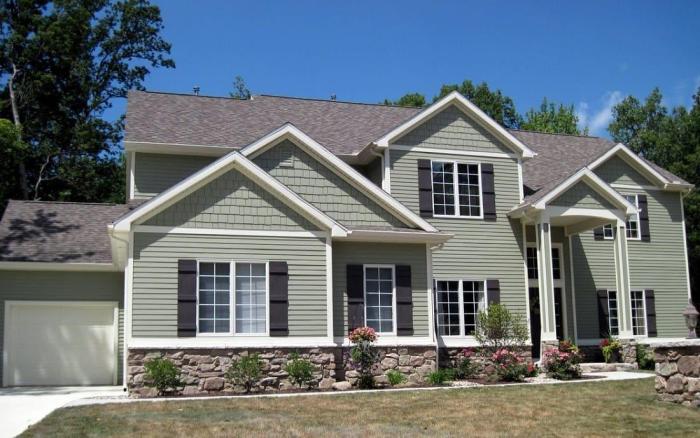
When it comes to green siding options, there are several eco-friendly materials to choose from. Each material has its own unique characteristics in terms of durability and maintenance requirements.
Recycled Wood Siding
Recycled wood siding is a popular choice for green construction projects. This material is sourced from reclaimed wood, which reduces the demand for new trees to be cut down. Recycled wood siding offers a natural and rustic look, with each piece having its own unique character.
However, it may require more maintenance over time compared to other materials due to potential issues like rotting or warping.
Fiber Cement Siding
Fiber cement siding is another eco-friendly option that is made from a combination of cement, sand, and cellulose fibers. This material is known for its durability and resistance to rot, fire, and pests. Fiber cement siding is low maintenance and can mimic the look of wood or stucco.
However, it can be heavier and more challenging to install compared to other siding materials.
Reclaimed Materials Siding
Using reclaimed materials for siding is a sustainable choice that involves repurposing old materials like bricks, metals, or stones. Reclaimed materials siding gives a unique and eclectic look to a building while reducing waste and environmental impact. However, sourcing and installing reclaimed materials can be more time-consuming and costly compared to other options.
Installation Techniques for Green Siding
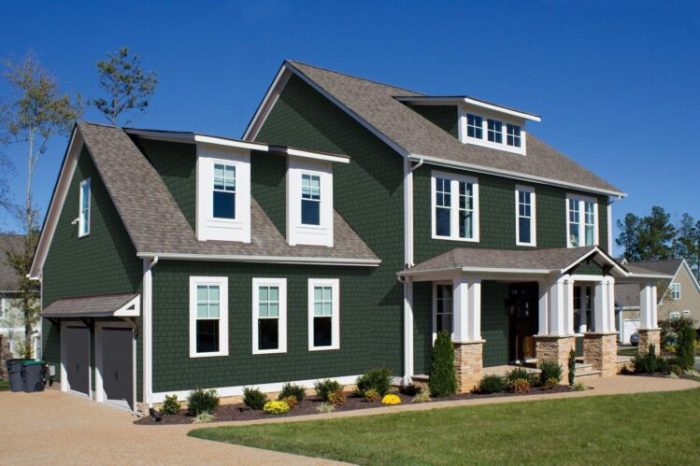
Installing green siding solutions requires attention to detail and proper techniques to ensure optimal performance and energy efficiency. It is essential to follow best practices to maximize the benefits of eco-friendly siding materials.
Importance of Proper Insulation and Moisture Barriers
Proper insulation and moisture barriers play a crucial role in the installation of green siding. Insulation helps regulate the temperature inside the building, reducing the need for heating or cooling. Moisture barriers prevent water intrusion, which can lead to mold growth and structural damage.
By ensuring these components are correctly installed, you can enhance the overall efficiency and longevity of your green siding.
Tips for Maximizing Energy Efficiency
- Choose high-quality insulation materials to minimize heat loss and reduce energy consumption.
- Seal all gaps and cracks to prevent air leaks, ensuring the building envelope is airtight.
- Consider using reflective coatings or materials to deflect sunlight and reduce heat absorption.
- Opt for insulated siding options to enhance thermal performance and energy efficiency.
- Work with a professional installer who is experienced in green building practices to ensure proper installation.
Cost Considerations and Budgeting
When considering green siding solutions, it is essential to factor in the cost implications. Eco-friendly materials often come at a premium price compared to traditional options, but the long-term benefits can make them a worthwhile investment.
Breakdown of Cost Factors
Several factors contribute to the overall cost of green siding solutions, including the type of material chosen, the size of the project, labor costs, and any additional features or customization. It is crucial to consider these elements when budgeting for your eco-friendly siding installation.
Budgeting Strategies
- Research and Compare Prices: Take the time to explore different green siding materials and suppliers to find the best quality at the most competitive price.
- Plan Ahead: Create a detailed budget that Artikels all potential costs, from materials to labor, and set aside a contingency fund for any unexpected expenses.
- Consider DIY Options: If you have the skills and experience, opting for a do-it-yourself approach can help reduce labor costs significantly.
- Explore Financing Options: Look into financing options or incentives for eco-friendly home improvements to help offset the initial investment.
Long-Term Savings and ROI
While the upfront cost of green siding solutions may be higher, they often lead to significant long-term savings. Energy-efficient materials can lower utility bills by improving insulation and reducing heating and cooling costs. Additionally, eco-friendly siding can increase the resale value of your home, providing a positive return on investment in the future.
Environmental Impact of Green Siding
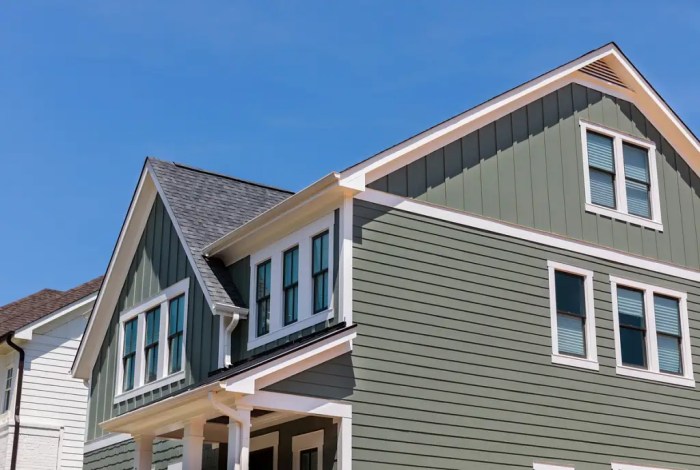
When it comes to the environmental impact of green siding solutions, the benefits are substantial. Using eco-friendly siding materials can significantly reduce carbon footprint and contribute to a more sustainable future.
Carbon Footprint Reduction
One of the key advantages of opting for green siding is the reduction in carbon footprint. Traditional siding materials often require extensive energy and resources to manufacture, leading to high levels of greenhouse gas emissions. In contrast, eco-friendly siding materials like recycled wood or fiber cement have a much lower environmental impact, helping to mitigate climate change.
Recyclability and Sustainability
Green siding options are often designed with recyclability and sustainability in mind. Materials such as recycled plastic or reclaimed wood can be repurposed and reused, reducing waste and conserving natural resources. Additionally, some green siding solutions are made from renewable materials like bamboo or cork, ensuring a continuous cycle of sustainability.
Final Wrap-Up
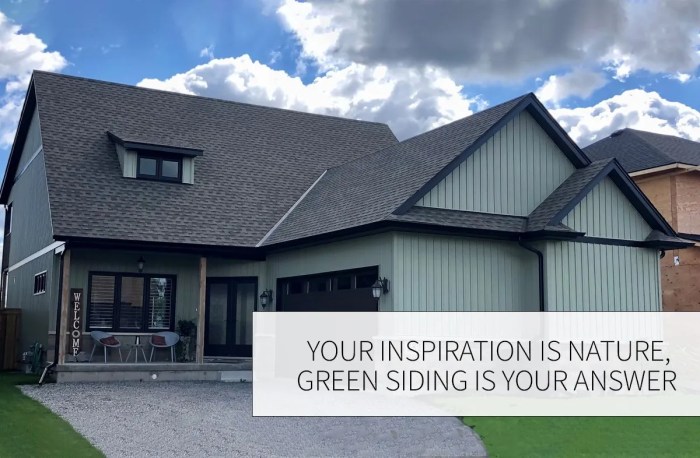
In conclusion, green siding solutions offer a practical and environmentally conscious way to upgrade your home. By choosing eco-friendly materials and installation techniques, you not only improve your property's aesthetic appeal but also make a positive impact on the environment.
Consider the long-term benefits of green siding for a more sustainable future.
FAQ Guide
What are the benefits of using eco-friendly siding materials?
Eco-friendly siding materials offer improved energy efficiency, reduced maintenance costs, and a lower environmental impact compared to traditional options.
How do I maximize energy efficiency when installing green siding materials?
To maximize energy efficiency, ensure proper insulation and moisture barriers during installation and consider the orientation of your home for optimal sunlight exposure.
Are green siding solutions more expensive than traditional options?
While initial costs may be slightly higher, the long-term savings from energy efficiency and durability often outweigh the upfront expenses.

