

Exploring the world of exterior siding replacement opens up a realm of possibilities for homeowners looking to enhance their property. From boosting curb appeal to providing protection against the elements, this comprehensive guide delves into the nuances of choosing the right siding materials and the benefits they bring.
Whether you're considering a makeover for your home or simply want to understand the importance of maintaining your exterior, this guide will walk you through everything you need to know about exterior siding replacement.
Importance of Exterior Siding Replacement
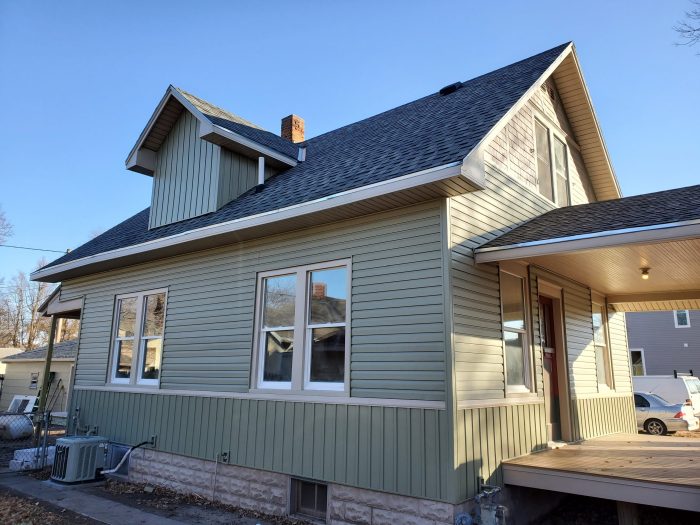
Keeping the exterior siding of your home in good condition is crucial for various reasons.
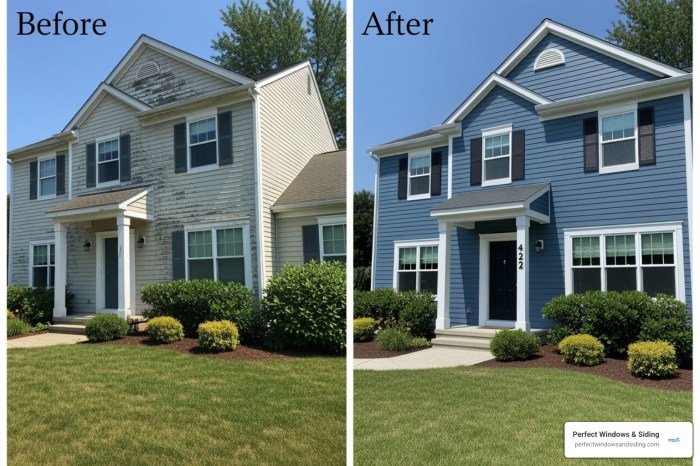
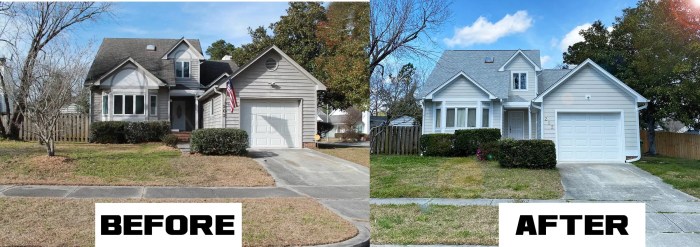
One of the key benefits of exterior siding replacement is the enhancement of curb appeal. The siding is one of the first things people notice about your home, and a fresh, well-maintained exterior can significantly improve the overall look and feel of the property.
Protection from the Elements
The exterior siding acts as a protective barrier for your home, shielding it from harsh weather conditions such as rain, snow, wind, and UV rays. By replacing damaged or worn-out siding, you can prevent moisture intrusion, mold growth, and structural damage to your house.
Types of Exterior Siding Materials
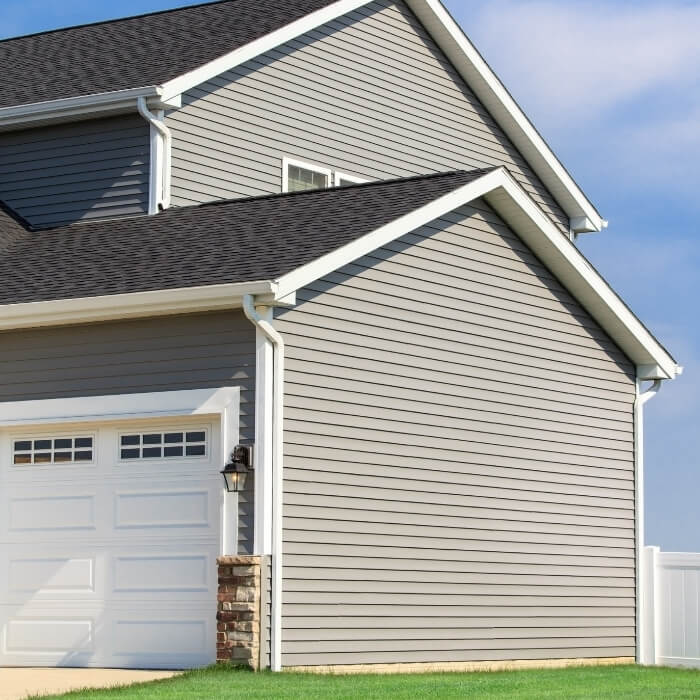
When it comes to exterior siding replacement, there are several materials to choose from. Each material has its own unique characteristics in terms of durability and aesthetic appeal.
Vinyl Siding
Vinyl siding is a popular choice due to its affordability and low maintenance requirements. It is durable, resistant to rot and insects, and comes in a wide range of colors and styles. However, it may not offer the same level of insulation as other materials.
Wood Siding
Wood siding gives a classic and natural look to a home. It is versatile and can be painted or stained to achieve different aesthetics. While wood siding is aesthetically pleasing, it requires more maintenance than other materials and is susceptible to rot and insect damage if not properly maintained.
Fiber Cement Siding
Fiber cement siding is a durable option that is resistant to fire, insects, and rot. It can mimic the look of wood or masonry and requires minimal maintenance. Fiber cement siding is available in a variety of colors and textures, providing a versatile option for homeowners.
Metal Siding
Metal siding is known for its durability and longevity. It is resistant to fire, insects, and rot, making it a low-maintenance option for homeowners. Metal siding is available in different finishes, such as steel, aluminum, and copper, offering a modern and sleek look to a home.
Factors to Consider Before Replacement
When planning for exterior siding replacement, there are several important factors to consider that can impact the performance and longevity of the materials chosen.
Importance of Climate Consideration
One crucial factor to consider is the climate of the area where the property is located. Different siding materials perform better in specific climates, so it's important to choose a material that can withstand the local weather conditions.
Impact of Maintenance Requirements
The maintenance requirements of different siding materials can vary significantly. Some materials may require frequent painting or sealing to maintain their appearance and durability, while others are more low-maintenance. It's essential to consider how much time and effort you are willing to invest in maintaining your siding when choosing a material.
Cost Implications of Different Siding Materials
The cost of siding materials can vary widely, depending on factors such as the material itself, installation costs, and long-term maintenance expenses. While some materials may have a higher upfront cost, they could save money in the long run by requiring less maintenance or providing better insulation properties.
It's important to weigh the initial cost against the long-term benefits when choosing a siding material.
Process of Exterior Siding Replacement
When it comes to replacing exterior siding, there are several important steps to consider
Tips for Preparing the House for Siding Replacement
Before the actual replacement process begins, it is essential to prepare your house to ensure a smooth and efficient installation. Here are some tips to help you get started:
- Clear the area around your home: Remove any obstacles or debris that may obstruct the installation process.
- Inspect the existing siding: Check for any damages or underlying issues that need to be addressed before the new siding is installed.
- Trim landscaping: Trim back any bushes, trees, or plants that could interfere with the installation process.
- Protect windows and doors: Cover windows and doors to prevent any damage during the installation process.
Importance of Hiring Professionals for the Installation
Replacing exterior siding is a complex process that requires skill and expertise. Hiring professionals for the installation can offer the following benefits:
- Experience: Professional installers have the knowledge and experience to ensure a seamless installation process.
- Quality workmanship: Professionals can deliver high-quality work that meets industry standards.
- Time-saving: Hiring professionals can help you save time and avoid costly mistakes that may occur with DIY installations.
- Warranty: Many professional installers provide warranties on their work, giving you peace of mind in case of any issues post-installation.
Benefits of Energy-Efficient Siding
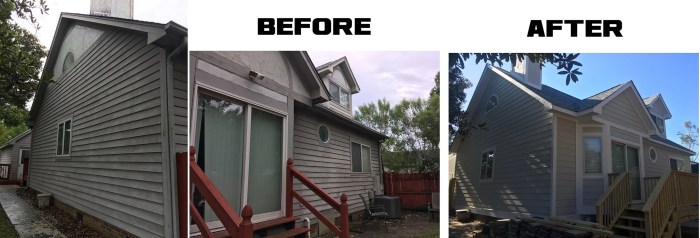
Energy-efficient siding offers a range of benefits that can positively impact both your home and the environment. By investing in energy-efficient siding, you can enjoy lower utility costs, reduce your carbon footprint, and experience long-term savings.
Utility Cost Reduction
Energy-efficient siding is designed to improve the insulation of your home, helping to regulate indoor temperatures more effectively. This can result in reduced reliance on heating and cooling systems, leading to lower energy consumption and ultimately, decreased utility bills.
Environmental Benefits
By using energy-efficient siding, you are contributing to environmental conservation efforts. The improved insulation provided by this type of siding helps to reduce energy consumption, lowering greenhouse gas emissions and promoting sustainability.
Long-Term Savings
While the initial cost of energy-efficient siding may be higher than traditional siding materials, the long-term savings are significant. With lower energy bills and reduced maintenance expenses, energy-efficient siding can prove to be a cost-effective investment over time.
Last Recap
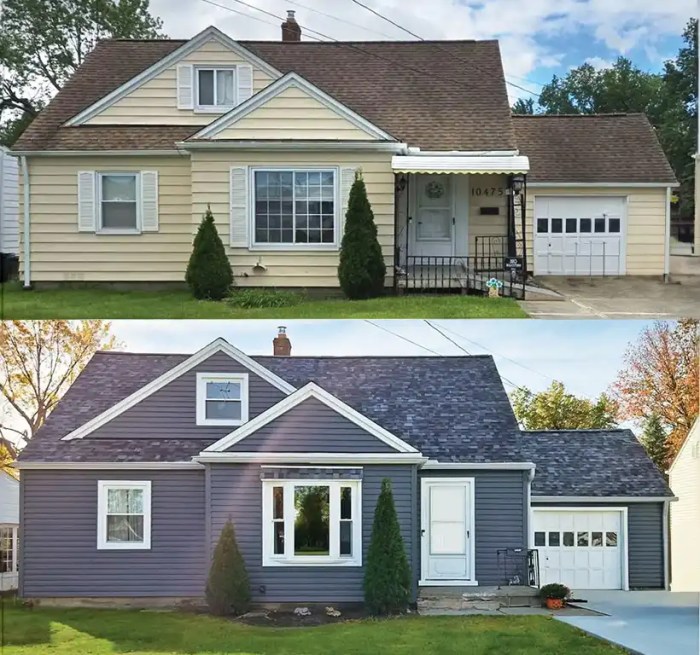
As we conclude our discussion on exterior siding replacement, it's clear that this process goes beyond just aesthetics. By choosing the right materials and considering factors like climate and energy efficiency, homeowners can transform their homes into efficient, stylish, and resilient spaces.
Whether you're looking to increase your home's value or simply want to protect it from the elements, exterior siding replacement is a worthy investment that offers both short-term benefits and long-term savings.
Helpful Answers
What are the signs that indicate the need for exterior siding replacement?
If you notice peeling paint, warping, rotting, or increased energy bills, it might be time to consider replacing your exterior siding.
How long does the process of exterior siding replacement typically take?
The timeline for siding replacement can vary based on factors like the size of your home and the materials being used. On average, it can take anywhere from a few days to a couple of weeks.
Is it necessary to hire professionals for exterior siding replacement, or can it be a DIY project?
While some homeowners might attempt siding replacement as a DIY project, it's generally recommended to hire professionals. They have the expertise to ensure the job is done correctly and efficiently.
Can energy-efficient siding really make a difference in reducing utility costs?
Absolutely. Energy-efficient siding helps with insulation, reducing heat loss in the winter and heat gain in the summer, ultimately leading to lower energy bills.

