

Residential siding contractors play a crucial role in enhancing the appearance and functionality of your home. From selecting the right materials to ensuring proper installation, these professionals are instrumental in transforming your house into a beautiful abode. Let's delve into the world of residential siding contractors to uncover key insights and tips for a successful siding project.
Types of Residential Siding
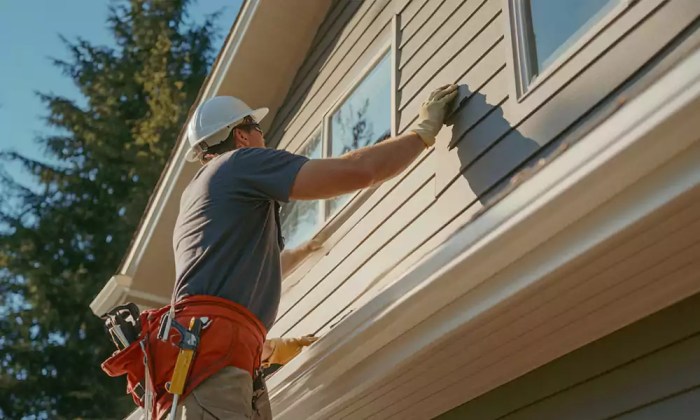
When it comes to residential siding, there are various materials to choose from, each with its own set of pros and cons. The most common types of residential siding include vinyl, wood, fiber cement, and metal. Let's take a closer look at each of these options.
Vinyl Siding
- Pros: Affordable, low maintenance, comes in a variety of colors and styles.
- Cons: Not as durable as other materials, can crack or fade over time.
Wood Siding
- Pros: Natural look and feel, environmentally friendly, can be painted or stained.
- Cons: High maintenance, susceptible to rot, pests, and moisture damage.
Fiber Cement Siding
- Pros: Durable, fire-resistant, low maintenance, can mimic the look of wood or stucco.
- Cons: Higher upfront cost, heavier to install, may require professional installation.
Metal Siding
- Pros: Extremely durable, fire-resistant, low maintenance, recyclable.
- Cons: Can dent or scratch easily, limited color options, may show wear over time.
Each of these siding materials offers a unique set of characteristics that cater to different architectural styles and homeowner preferences. It's essential to consider factors like durability, maintenance requirements, and aesthetic appeal when choosing the right siding for your home.
Hiring Residential Siding Contractors
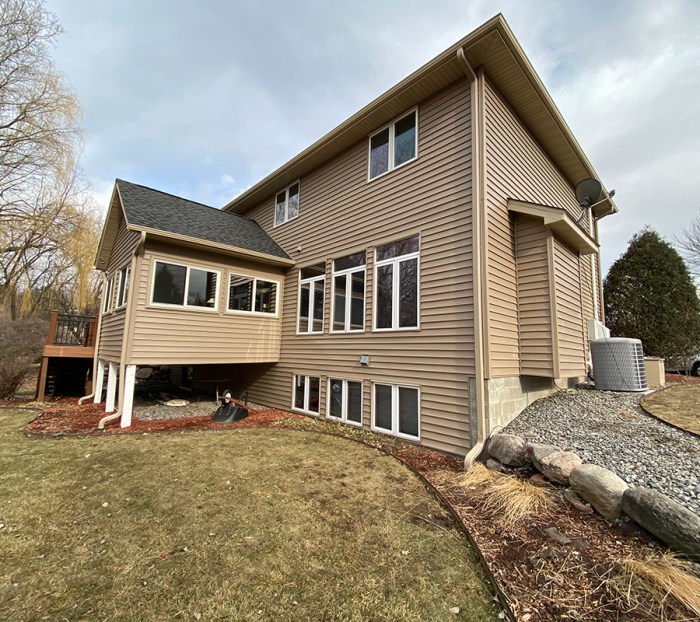
When it comes to installing siding on your home, hiring professional contractors is crucial to ensure the job is done correctly and efficiently. Professional siding contractors have the necessary skills, experience, and equipment to complete the project to a high standard, providing you with a durable and aesthetically pleasing finish.
Key Factors to Consider When Selecting a Residential Siding Contractor
- Check for proper licensing and insurance to protect yourself and your property.
- Ask for references or look at online reviews to gauge the contractor's reputation.
- Inquire about the types of siding materials they work with and their experience with those materials.
- Get detailed written estimates from multiple contractors to compare pricing and services offered.
Tips on Verifying the Credibility and Experience of Siding Contractors
- Ask for proof of previous projects or portfolios showcasing their work.
- Inquire about their years of experience in the industry and any specialized training they have.
- Contact their references to get feedback on their professionalism, work quality, and reliability.
- Check for any certifications or memberships in professional organizations related to siding installation.
Typical Timeline and Process Involved in Hiring and Working with Siding Contractors
Once you have selected a contractor, the typical timeline involves an initial consultation to discuss your needs, followed by measurements and material selection. The installation process can vary depending on the size of the project and the weather conditions. Communication with the contractor throughout the project is key to ensure everything runs smoothly and according to plan.
Cost Factors and Budgeting
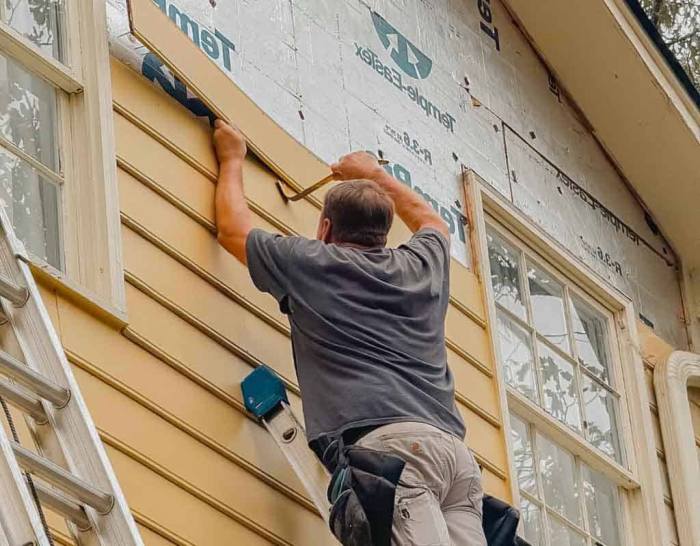
When it comes to residential siding projects, understanding the cost factors involved and creating a budget are crucial steps in ensuring a successful outcome for homeowners. Let's break down the key points to consider when budgeting for siding installation or replacement.
Types of Siding Materials and Their Impact on Cost
Different siding materials come with varying costs that can significantly impact the overall budget of a project. Here are some common siding materials and how they can affect the total cost:
- Vinyl Siding: Vinyl siding is one of the most affordable options available, making it a popular choice for homeowners on a budget. It is durable, low-maintenance, and comes in a variety of colors and styles.
- Fiber Cement Siding: While more expensive than vinyl, fiber cement siding offers excellent durability and resistance to elements such as fire and insects. It requires less maintenance and has a longer lifespan.
- Wood Siding: Wood siding can give a home a timeless and natural look, but it tends to be one of the pricier options. It requires regular maintenance to prevent rot and insect damage.
- Aluminum Siding: Aluminum siding is lightweight, durable, and easy to maintain. It falls somewhere in the middle in terms of cost compared to other materials.
Tip: To save money on siding projects, consider opting for mid-range materials that offer a good balance between cost and quality. Additionally, getting multiple quotes from different contractors can help you find the best deal.
Maintenance and Repairs
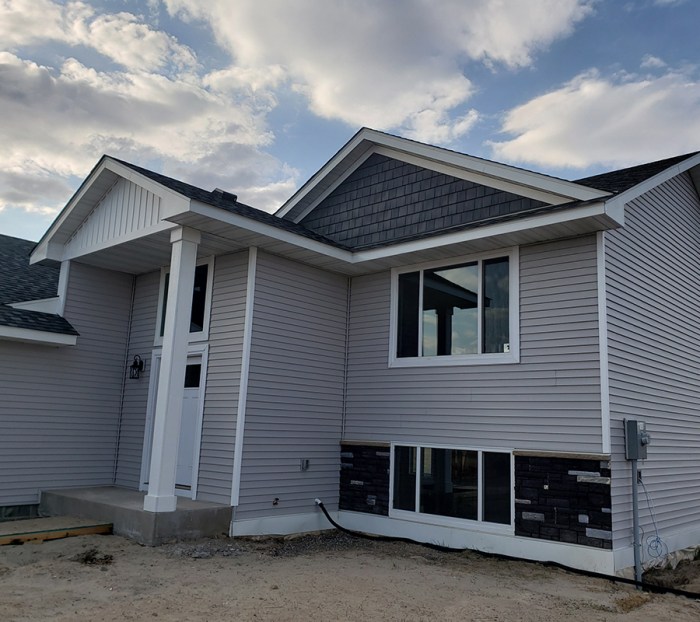
To ensure the longevity and appearance of residential siding, regular maintenance and timely repairs are crucial. By addressing common issues promptly and following a seasonal maintenance checklist, homeowners can prevent costly damage to their siding.
Essential Maintenance Tasks
- Regularly inspect siding for signs of damage, such as cracks, warping, or discoloration.
- Clean siding at least once a year to remove dirt, debris, and mold growth.
- Trim vegetation around the siding to prevent moisture buildup and damage.
- Check caulking and seals around windows, doors, and vents for any gaps or deterioration.
Common Issues and Solutions
- Moisture damage: Address leaks promptly and ensure proper drainage to prevent water infiltration.
- Mold and mildew growth: Clean siding regularly and improve ventilation to reduce moisture buildup.
- Pest infestations: Seal any entry points and consider professional pest control if needed.
- Color fading: Apply a fresh coat of paint or consider siding replacement for severely faded areas.
Seasonal Maintenance Checklist
- Inspect siding in the spring and fall for any damage or discoloration.
- Clean siding in the spring to remove winter grime and in the fall to prepare for the colder months.
- Check seals and caulking in the summer to prevent moisture infiltration during rainy seasons.
- Trim vegetation in the summer and fall to prevent damage from overgrowth.
Timely Repairs for Prevention
Regular inspections and prompt repairs are essential to prevent minor issues from escalating into major problems. Addressing cracks, leaks, or damage immediately can help preserve the integrity and appearance of residential siding.
Ending Remarks
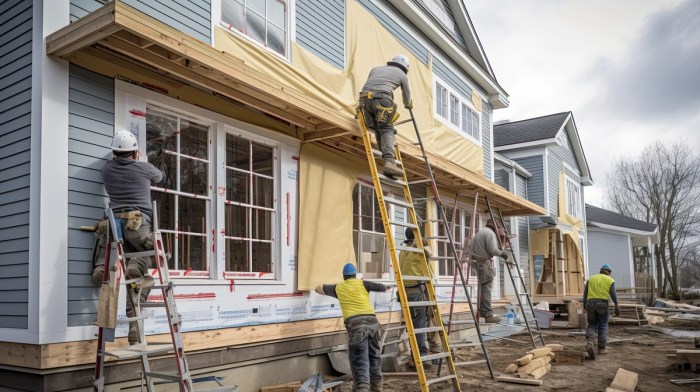
In conclusion, residential siding contractors are indispensable partners in your home improvement journey. By understanding the different types of siding, hiring the right contractors, managing costs effectively, and prioritizing maintenance, you can create a stunning and durable exterior for your home.
Take the first step towards a remarkable transformation by partnering with experienced residential siding contractors today.
Common Queries
What factors should I consider when hiring residential siding contractors?
When hiring siding contractors, it's essential to consider their experience, reputation, licensing, insurance, and past work samples.
How can I save money on residential siding projects?
Homeowners can save money by obtaining multiple quotes, choosing cost-effective materials, and scheduling installations during off-peak seasons.
What are the common maintenance tasks for residential siding?
Regular cleaning, inspecting for damage, repainting when needed, and addressing any issues promptly are key maintenance tasks for residential siding.

