

Vinyl siding contractors play a crucial role in enhancing the aesthetics and functionality of homes. From expert installation to maintenance tips, this guide delves into everything you need to know about working with vinyl siding contractors.
Introduction to Vinyl Siding Contractors
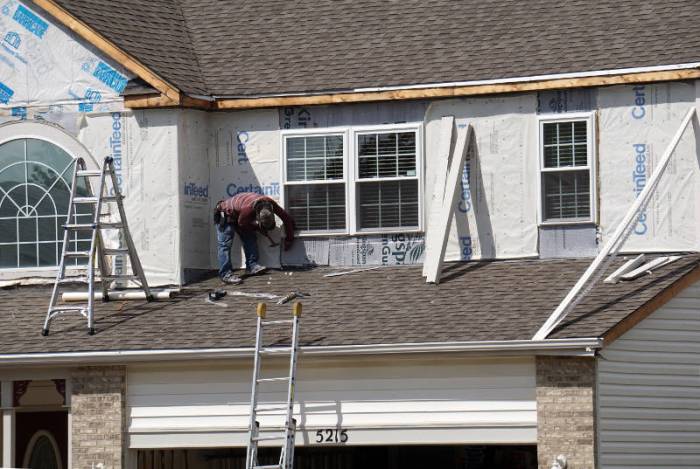
When it comes to home improvement projects, vinyl siding contractors play a crucial role in transforming the exterior of a house. These professionals specialize in the installation, repair, and maintenance of vinyl siding, providing homeowners with a durable and cost-effective solution to enhance the appearance and functionality of their property.
There are several benefits to hiring professional vinyl siding contractors for your project. Not only do they have the expertise and experience to ensure a high-quality installation, but they also have access to the latest tools and materials to complete the job efficiently and effectively.
By working with a professional contractor, homeowners can save time and money in the long run by avoiding costly mistakes and ensuring that the siding is installed correctly.
Common Misconceptions about Vinyl Siding Contractors
- One common misconception is that vinyl siding contractors are only needed for new installations. In reality, these professionals can also help with repairs, maintenance, and upgrades to existing siding.
- Another misconception is that hiring a contractor is too expensive. While it may seem like a significant investment upfront, working with a professional can actually save money in the long term by preventing potential issues and ensuring the longevity of the siding.
- Some homeowners believe that they can DIY their vinyl siding installation to save money. However, without the proper skills and equipment, DIY projects can often result in subpar workmanship and costly repairs down the line.
When looking for a reliable vinyl siding contractor, there are certain essential qualifications and certifications to consider. Additionally, the contractor's experience with various types of vinyl siding projects is crucial, as is verifying their credibility and reputation.
Essential Qualifications and Certifications
- Valid contractor's license: Ensure the contractor is licensed to work in your area.
- Insurance coverage: Look for contractors with liability insurance and workers' compensation coverage.
- Certifications: Check if the contractor has certifications from reputable organizations in the industry.
Importance of Experience
Experience plays a vital role in the quality of work provided by a vinyl siding contractor. An experienced contractor will be familiar with different types of siding materials, installation techniques, and potential challenges that may arise during a project.
Verifying Credibility and Reputation
One way to verify the credibility of a vinyl siding contractor is to ask for references from past clients. You can also check online reviews and ratings on platforms like Google or Yelp to get an idea of the contractor's reputation.
Additionally, make sure to ask for a portfolio of previous projects to assess the quality of their work.
Vinyl Siding Installation Process
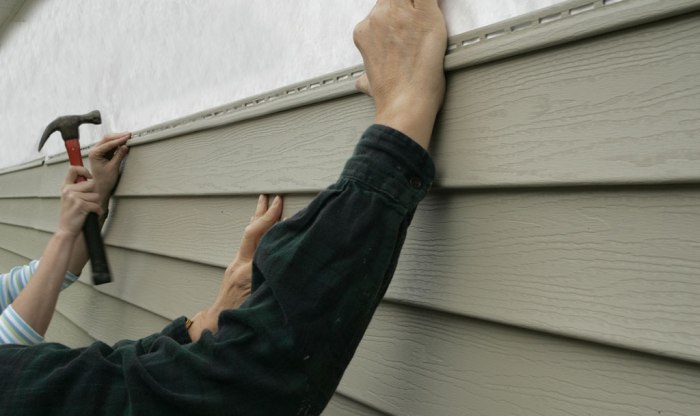
When it comes to vinyl siding installation, contractors follow a specific step-by-step process to ensure a successful and durable outcome.
Tools and Materials Used
Contractors use a variety of tools and materials to complete the vinyl siding installation process efficiently:
- Vinyl siding panels
- J-channel
- Trim pieces
- Nails or screws
- Siding clips or hooks
- Utility knife
- Tin snips
- Caulk gun
- Level
- Tape measure
Common Challenges and Solutions
During the installation process, contractors may face some common challenges, including:
- Uneven walls: Contractors address this issue by using furring strips or shimming to create a flat surface for installation.
- Moisture problems: Properly sealing seams and using a moisture barrier can help prevent water damage under the siding.
- Matching existing siding: Contractors may need to find the closest match possible or recommend updating all siding for a uniform look.
- Working around obstacles: Special tools or techniques may be required to navigate around windows, doors, and other obstacles on the exterior of the home.
Cost Factors and Budgeting with Vinyl Siding Contractors
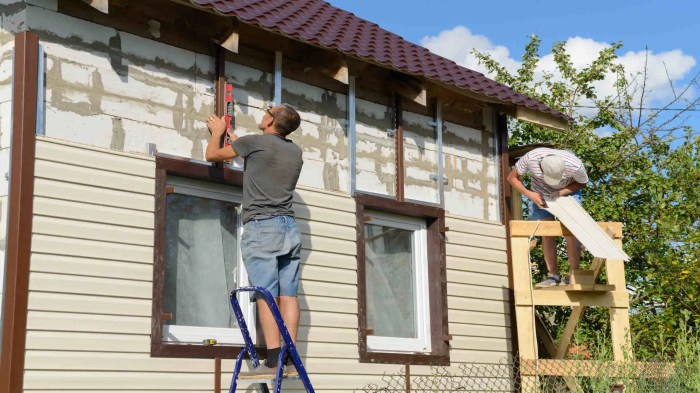
When it comes to hiring vinyl siding contractors for your project, understanding the cost factors and effective budgeting can help you make informed decisions and ensure a successful outcome.
Cost Breakdown of Hiring Vinyl Siding Contractors
- Materials: The cost of vinyl siding materials can vary based on quality, style, and color options.
- Labor: Labor costs will depend on the size of the project, the complexity of the installation, and the contractor's hourly rate.
- Additional services: Additional services such as removal of old siding, disposal fees, and trim work can add to the overall cost.
Tips for Effective Budgeting
- Set a realistic budget: Determine how much you can afford to spend on the project and stick to it.
- Get multiple quotes: Obtain estimates from different vinyl siding contractors to compare prices and services.
- Prioritize: Identify the most important aspects of the project and allocate your budget accordingly.
Negotiating Pricing with Vinyl Siding Contractors
- Ask for discounts: Inquire about any promotions, discounts, or package deals that the contractor may offer.
- Bundle services: Consider bundling multiple services together to potentially receive a lower overall price.
- Discuss options: Communicate openly with the contractor about your budget constraints and explore alternative solutions.
Maintaining Vinyl Siding Installed by Contractors
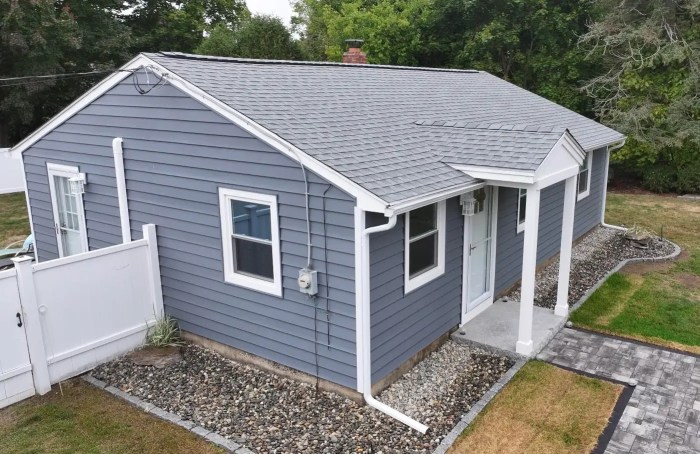
Proper maintenance is crucial to ensure the longevity and aesthetics of vinyl siding installed by contractors. By following recommended maintenance tasks, homeowners can keep their vinyl siding looking great for years to come.
Recommended Maintenance Tasks:
- Regular Cleaning: Vinyl siding should be cleaned at least once a year to remove dirt, grime, and mildew. Use a mixture of mild soap and water, and avoid using abrasive cleaners that can damage the surface.
- Inspect for Damage: Periodically inspect the vinyl siding for any signs of damage, such as cracks, holes, or warping. Addressing these issues promptly can prevent further damage and maintain the integrity of the siding.
- Trim Vegetation: Trim any vegetation or trees near the vinyl siding to prevent damage from branches, leaves, or roots. Keeping plants at a safe distance can prevent scratches or moisture buildup that can lead to mold growth.
Importance of Regular Inspections:
Scheduling regular inspections with vinyl siding contractors is essential to identify any potential issues early on. Contractors can assess the condition of the siding, recommend repairs or replacements, and provide valuable maintenance tips to ensure the longevity of the vinyl siding.
Final Wrap-Up
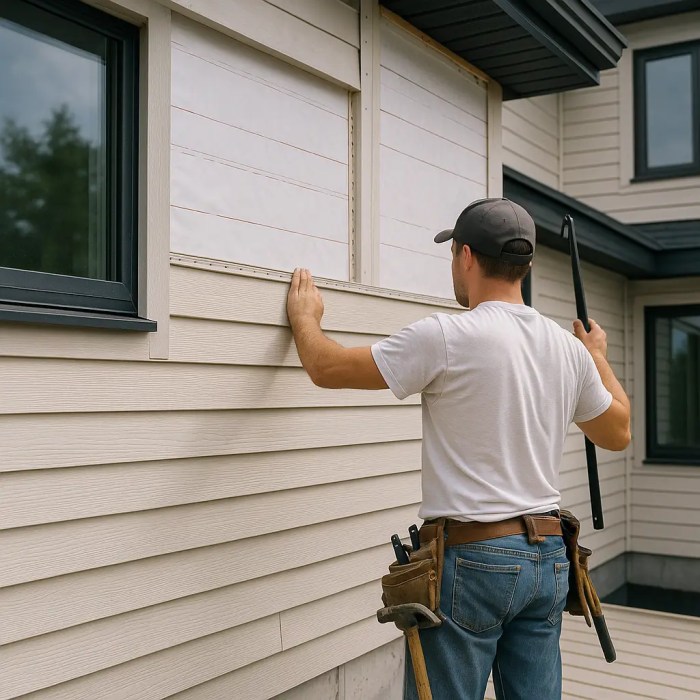
In conclusion, vinyl siding contractors offer a seamless solution for homeowners looking to revamp their exteriors. With the right contractor, you can enjoy a durable and visually appealing vinyl siding that elevates your property's curb appeal.
FAQ Resource
What qualifications should I look for in a vinyl siding contractor?
Look for certifications, experience in handling various projects, and a solid reputation in the industry.
How can I effectively budget when working with vinyl siding contractors?
Discuss your budget upfront, get detailed quotes, and explore financing options if needed.
What maintenance tasks can prolong the lifespan of vinyl siding?
Regular cleaning, inspections, and addressing any issues promptly can help maintain vinyl siding.

