

As we delve into the realm of insulated vinyl siding cost, we uncover a world of possibilities and practicality. From understanding the basics to exploring the intricacies, this topic promises a journey filled with insights and valuable information.
When it comes to home improvement projects, the cost of insulated vinyl siding can play a crucial role in decision-making. Let's unravel the mysteries surrounding this essential element of construction.
Overview of Insulated Vinyl Siding Cost
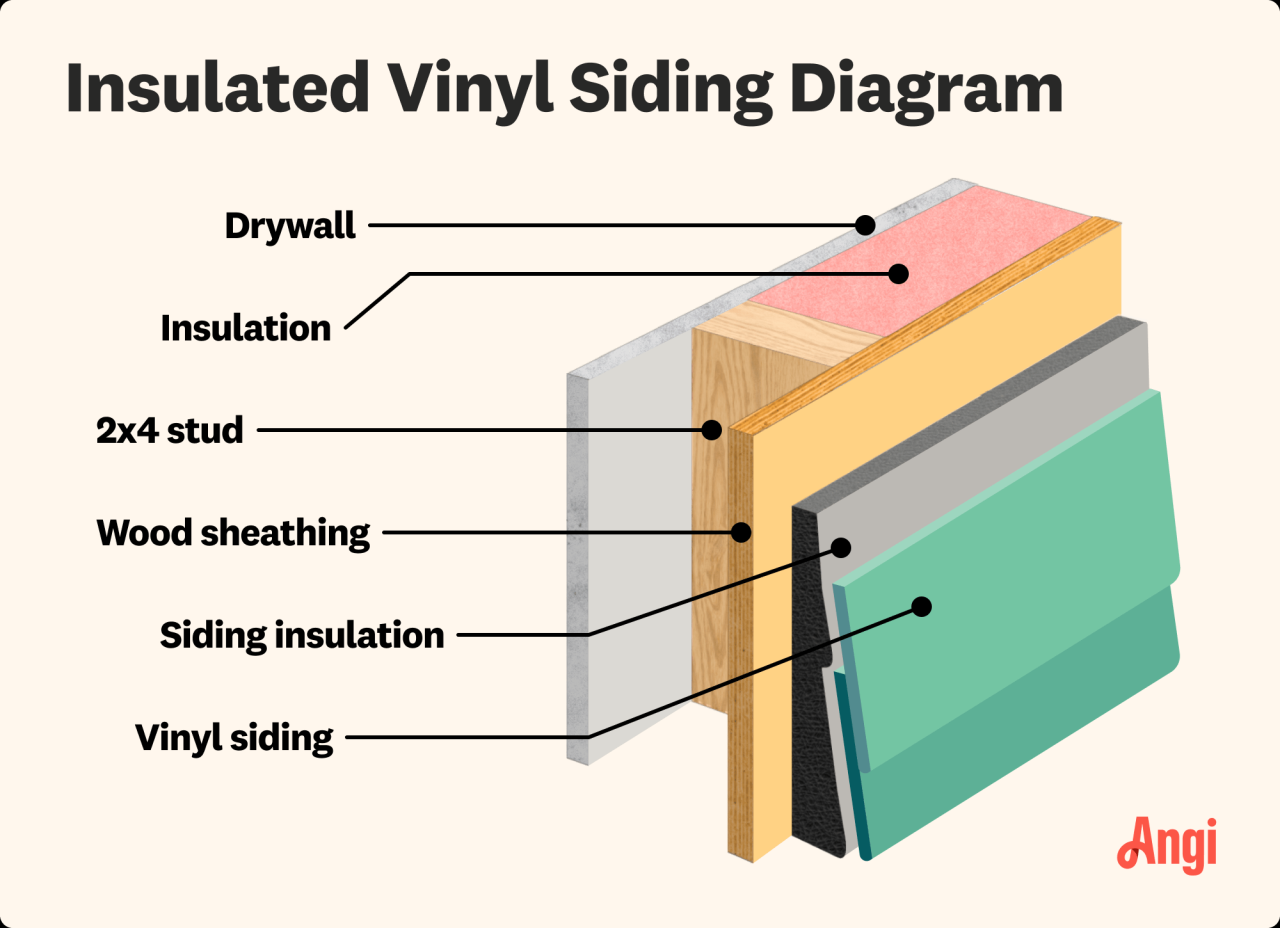
Insulated vinyl siding is a type of exterior cladding made from polyvinyl chloride (PVC) that includes a layer of insulation. This added insulation helps improve energy efficiency in homes by reducing heat loss in the winter and heat gain in the summer.Using insulated vinyl siding comes with several benefits.
Not only does it improve the overall energy efficiency of a home, but it also helps to reduce outside noise, increase curb appeal, and requires minimal maintenance compared to other siding materials. Additionally, insulated vinyl siding is available in a variety of colors and styles to suit different aesthetic preferences.When considering insulated vinyl siding, cost is an important factor to take into account.
The initial cost of installation may be higher compared to traditional vinyl siding, but the long-term energy savings and durability of insulated vinyl siding can make it a cost-effective choice in the long run. It is essential to weigh the upfront investment against the potential savings on energy bills and maintenance costs over time.
Factors Affecting Insulated Vinyl Siding Cost
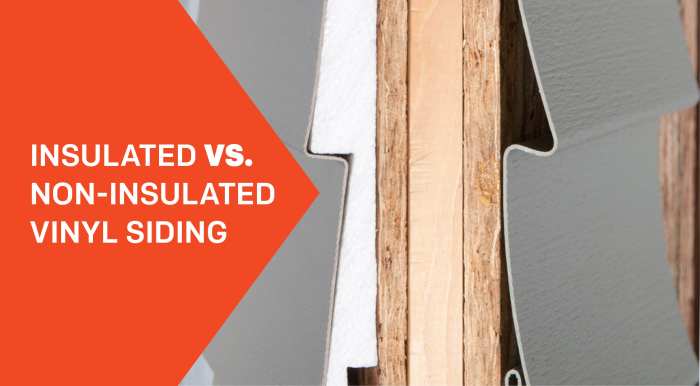
When considering the cost of insulated vinyl siding, several factors come into play that can influence the overall price you may pay. These factors include the quality of materials used and the complexity of the installation process.
Quality of Materials
The quality of the materials used for insulated vinyl siding can have a significant impact on the overall cost. Higher quality materials, such as those with better insulation properties or enhanced durability, tend to come at a higher price point.
Cheaper materials may save you money upfront, but they may not last as long or provide the same level of energy efficiency.
Installation Complexity
The complexity of the installation process can also affect the cost of insulated vinyl siding. Factors such as the size and shape of your home, the presence of obstacles like windows or doors, and any additional customization or trim work can all add to the overall cost.
More intricate installations may require more time and labor, resulting in a higher price tag for the project.
Average Cost of Insulated Vinyl Siding
When considering the average cost of insulated vinyl siding, it's important to factor in various elements that contribute to the overall expenses. Let's break down the costs per square foot, explore additional expenses during installation, and compare these costs to alternative siding options.
Average Cost per Square Foot
The average cost of insulated vinyl siding typically ranges from $4 to $12 per square foot. This price includes the material itself, as well as the installation labor costs
Additional Installation Costs
During the installation process, there may be additional costs that homeowners should be aware of. These can include expenses for removing old siding, repairing any underlying issues, adding insulation, trim work, and finishing touches. These extra costs can add up, so it's essential to budget accordingly.
Comparison to Other Siding Options
When comparing the cost of insulated vinyl siding to other siding options, it's important to consider the overall value and longevity. While insulated vinyl siding may have a higher upfront cost compared to materials like wood or aluminum siding, it typically requires less maintenance and has a longer lifespan.
This can result in cost savings over time, making it a worthwhile investment for many homeowners.
Cost Savings and Long-Term Benefits
Insulated vinyl siding not only provides a cost-effective solution upfront but also offers long-term benefits that can lead to significant savings over time.
Energy Efficiency
Insulated vinyl siding helps to improve the energy efficiency of a home by providing an additional layer of insulation. This extra insulation helps to regulate the temperature inside the house, reducing the need for excessive heating in the winter and cooling in the summer.
As a result, homeowners can expect to see a decrease in their energy bills as the HVAC system operates more efficiently.
Maintenance Savings
Another long-term benefit of choosing insulated vinyl siding is the minimal maintenance required compared to other siding materials. Insulated vinyl siding is resistant to rot, mold, and pests, eliminating the need for frequent repairs or replacements. This can lead to cost savings in the long run as homeowners will not have to invest as much in maintenance and upkeep.
Potential Savings Example
For example, a homeowner with insulated vinyl siding may see a 20-30% reduction in their heating and cooling costs compared to a home with traditional siding. Over the years, these savings can add up significantly, making insulated vinyl siding a wise investment for those looking to reduce their long-term expenses.
Ending Remarks
In conclusion, the discussion on insulated vinyl siding cost sheds light on the importance of balancing quality and affordability. With a focus on long-term benefits and savings, opting for insulated vinyl siding proves to be a smart investment for any homeowner looking to enhance their property.
Answers to Common Questions
What is insulated vinyl siding?
Insulated vinyl siding is a type of exterior cladding that comes with a layer of insulation attached to the back. This added insulation helps improve energy efficiency and provides better protection against the elements.
How does the quality of materials affect the cost of insulated vinyl siding?
The quality of materials used in insulated vinyl siding can significantly impact the overall cost. Higher quality materials tend to be more durable and energy-efficient, but they also come at a higher price point.
What are some potential cost savings with insulated vinyl siding?
Insulated vinyl siding can lead to cost savings over time through improved energy efficiency. Homeowners may see reductions in heating and cooling costs, making it a financially beneficial choice in the long run.

