

Exploring the world of exterior vinyl siding installation, this guide dives into the definition, benefits, and types of vinyl siding available. Whether you're a homeowner or a contractor, understanding the essentials of vinyl siding installation is crucial for a successful project.
From pre-installation considerations to the step-by-step installation process, this guide covers everything you need to know to achieve a flawless exterior finish with vinyl siding.
Introduction to Exterior Vinyl Siding Installation
Exterior vinyl siding is a durable and versatile material used to cover the exterior walls of buildings. It is made of PVC (polyvinyl chloride) resin and offers numerous benefits for homeowners.
Benefits of Choosing Vinyl Siding
- Low Maintenance: Vinyl siding requires minimal upkeep compared to other materials like wood or brick. It does not need to be painted and can be easily cleaned with soap and water.
- Durability: Vinyl siding is resistant to rot, moisture, and pests, making it a long-lasting option for exterior cladding.
- Cost-Effective: Vinyl siding is an affordable option for homeowners looking to improve the appearance and energy efficiency of their homes without breaking the bank.
- Versatility: Vinyl siding comes in a wide range of colors, styles, and textures, allowing homeowners to customize the look of their homes to suit their preferences.
Popularity of Vinyl Siding
Vinyl siding has become increasingly popular in the construction industry due to its affordability, durability, and ease of installation. It is a versatile option that can enhance the curb appeal of any home while providing excellent protection against the elements.
Types of Exterior Vinyl Siding
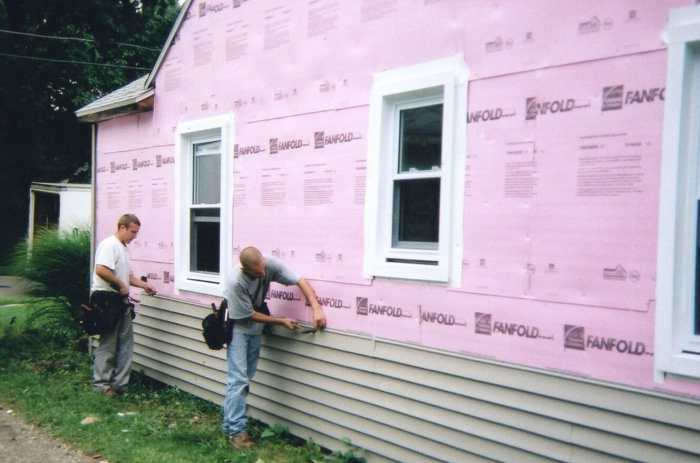
When it comes to exterior vinyl siding, there are various types available, each with its own unique characteristics and benefits. Let's take a closer look at some of the most common types of vinyl siding options for installation.
Insulated Vinyl Siding
Insulated vinyl siding is designed to provide additional thermal protection to a home. It comes with a layer of foam insulation attached to the back of the panels, helping to improve energy efficiency and reduce heating and cooling costs. This type of siding also offers better noise reduction properties compared to traditional vinyl siding.
Vertical Vinyl Siding
Vertical vinyl siding offers a modern and unique aesthetic to the exterior of a home. This type of siding is installed vertically, creating a sleek and contemporary look. Vertical vinyl siding is often chosen for its ability to make a statement and stand out from traditional horizontal siding options.
Traditional Vinyl Siding
Traditional vinyl siding remains a popular choice for many homeowners due to its affordability, versatility, and low maintenance requirements. This type of siding comes in a wide range of colors and styles, making it easy to find a look that complements any home design.
While traditional vinyl siding may not offer the same level of insulation as other types, it still provides durable protection against the elements.
Comparing Durability and Maintenance
In terms of durability, insulated vinyl siding and traditional vinyl siding are known for their resistance to fading, cracking, and warping, making them long-lasting options. Vertical vinyl siding, while durable, may require additional maintenance due to its vertical installation, which can collect more dirt and debris over time.
Regular cleaning and maintenance can help extend the lifespan of any type of vinyl siding.
Pre-Installation Considerations
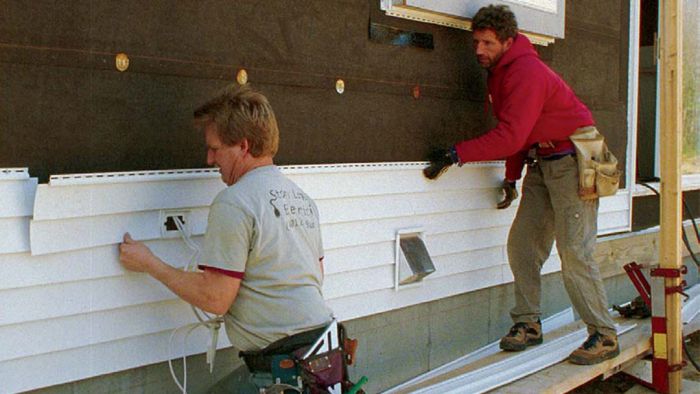
Before beginning the installation of exterior vinyl siding, there are several key factors to consider to ensure a successful and efficient process.Proper Measurements:It is essential to take accurate measurements of the exterior surface where the vinyl siding will be installed.
This includes measuring the length and height of each wall, accounting for any doors, windows, or other obstacles. Incorrect measurements can lead to wasted materials and a poorly finished result.Inspecting the Exterior Surface:Before installing vinyl siding, it is important to thoroughly inspect the exterior surface for any repairs or modifications that may be needed.
This includes checking for rot, mold, or other damage that could affect the durability and longevity of the siding. Any necessary repairs should be completed before proceeding with the installation process.Ensuring a Smooth Surface:In addition to repairs, it is crucial to ensure that the exterior surface is smooth and free of debris.
Any bumps, rough patches, or protrusions can affect the appearance and integrity of the vinyl siding once installed. Taking the time to properly prepare the surface will result in a more professional-looking and long-lasting finish.By carefully considering these pre-installation factors and taking the necessary steps to prepare the exterior surface, you can ensure a successful and high-quality vinyl siding installation that will enhance the appearance and value of your home.
Installation Process Steps
Installing exterior vinyl siding involves a series of steps to ensure a proper and durable finish on your home.
Surface Preparation
- Clean the surface thoroughly to remove any dirt, debris, or old paint.
- Repair any damaged areas, including fixing cracks or holes in the wall.
- Apply a moisture barrier to prevent water damage and mold growth.
Underlayment Application
- Install foam board insulation or house wrap to improve energy efficiency.
- Secure the underlayment to the exterior walls using appropriate fasteners.
Siding Panel Installation
- Start at the bottom of the wall and work your way up, overlapping each panel for proper drainage.
- Secure the panels using nails or screws, making sure to leave room for expansion and contraction.
- Cut the panels to fit around windows, doors, and corners using a utility knife or tin snips.
- Use J-channels and utility trim to finish edges and corners neatly.
Tools and Materials Required
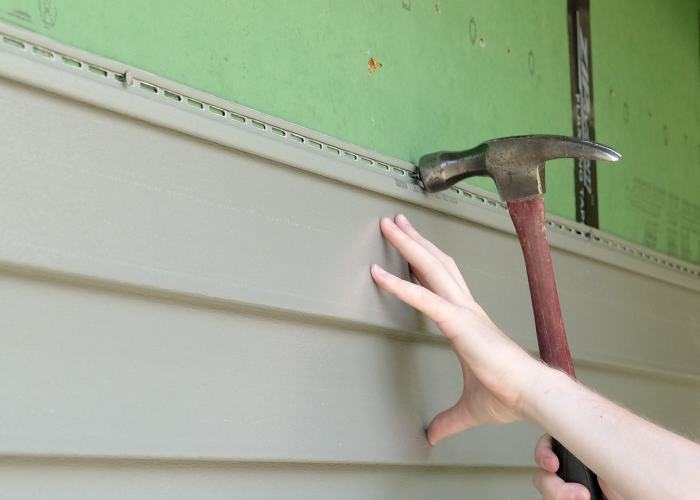
To ensure a successful exterior vinyl siding installation, you will need a variety of tools and materials. These items are essential for completing the process efficiently and effectively.
Essential Tools for Installation
- Vinyl Siding Nailer: Used to securely attach the vinyl siding panels to the exterior wall.
- Tin Snips: Helps in cutting and shaping the siding panels to fit around corners and edges.
- Level: Ensures that the siding panels are installed straight and even.
- Tape Measure: Used for accurate measuring and cutting of the siding panels.
- Utility Knife: Essential for trimming the siding panels to the required size.
- J-Channel Cutter: Used to cut the J-channels for a clean and precise fit around windows and doors.
Quality and Types of Materials
- Vinyl Siding Panels: Available in various styles, colors, and textures to suit different aesthetic preferences.
- J-Channels: Used to trim around windows, doors, and corners for a finished look.
- Soffit and Fascia: Provides a clean finish to the eaves and roof edges.
- Starter Strips: Help in securing the first row of siding panels for a professional installation.
- Trim Pieces: Used for transitions between different siding materials or to create a cohesive look.
Maintenance and Care Tips
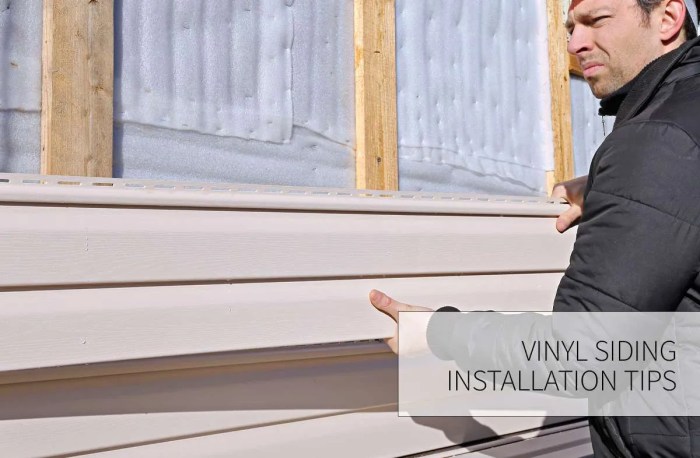
Maintaining and caring for your vinyl siding is crucial to ensure its longevity and keep your home looking great. By following these guidelines, you can protect your investment and keep your siding in top condition.
Cleaning and Protecting Vinyl Siding
To clean your vinyl siding, use a mixture of water and mild soap. Avoid using harsh chemicals or abrasive materials that can damage the surface. You can also use a pressure washer on a low setting to remove dirt and grime.
Make sure to rinse thoroughly to prevent any soap residue from drying on the siding.
To protect your vinyl siding from environmental elements, consider installing gutter guards to prevent debris buildup and water damage. Trim any overhanging branches that could potentially scratch or damage the siding during windy conditions. Inspect the siding regularly for signs of mold or mildew, especially in areas with high humidity.
Repairing Minor Damages
- For minor scratches or dents, use a vinyl siding repair kit to patch up the damaged areas. Follow the manufacturer's instructions carefully to ensure a seamless repair.
- If a siding panel becomes loose or damaged, carefully remove the nails holding it in place and replace the panel with a new one. Make sure to secure it properly to prevent any future issues.
- Inspect the caulking around windows, doors, and trim regularly, and reapply as needed to maintain a weatherproof seal.
Final Conclusion
In conclusion, mastering the art of exterior vinyl siding installation opens up a world of possibilities for enhancing the aesthetics and functionality of any building. By following the tips and guidelines provided, you can embark on your siding project with confidence and achieve remarkable results.
Q&A
What are the benefits of choosing vinyl siding?
Vinyl siding is durable, low-maintenance, cost-effective, and comes in a variety of colors and styles to suit different aesthetics.
What tools are essential for exterior vinyl siding installation?
Essential tools include a measuring tape, utility knife, level, hammer, and zip tool for removing panels.
How do you maintain vinyl siding?
Regular cleaning with a mixture of water and mild detergent, along with inspections for damage, can help maintain the longevity of vinyl siding.

