

Embarking on the journey of home vinyl siding installation opens up a realm of possibilities. From enhancing curb appeal to boosting durability, this guide delves into the intricacies of choosing, preparing, and maintaining vinyl siding for your home. Get ready to dive into the world of home improvement with this detailed exploration.
Vinyl siding has become a popular choice for homeowners looking to elevate their property's aesthetics and functionality. Let's uncover the key aspects of this versatile material and how it can transform your home.
Introduction to Home Vinyl Siding Installation
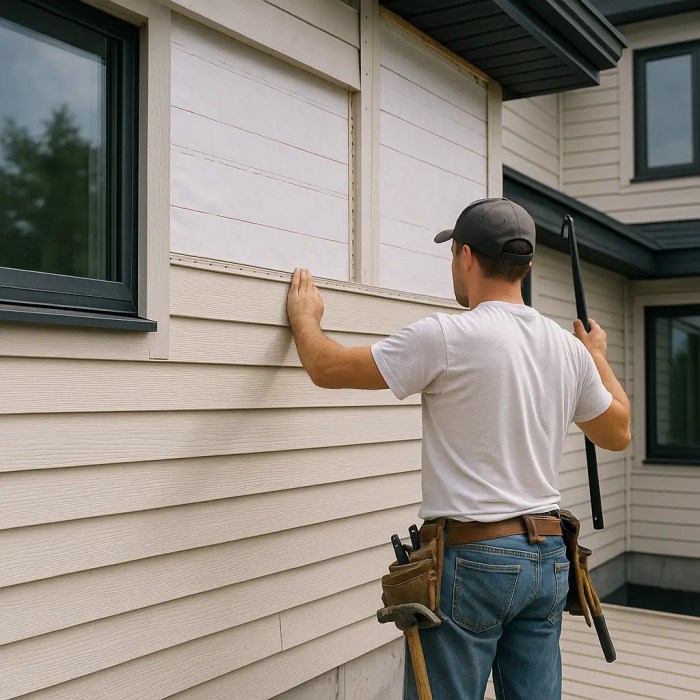
When it comes to home improvement projects, one popular option that homeowners often consider is vinyl siding installation. Vinyl siding offers a range of benefits that make it an attractive choice for many.
Benefits of Vinyl Siding
- Low maintenance: Vinyl siding is easy to clean and requires minimal upkeep compared to other materials like wood.
- Durability: Vinyl siding is known for its long-lasting performance and resistance to harsh weather conditions.
- Cost-effective: Vinyl siding is relatively affordable compared to other siding options, making it a budget-friendly choice for homeowners.
Common Reasons Homeowners Choose Vinyl Siding
- Curb appeal: Vinyl siding comes in a variety of colors and styles, allowing homeowners to enhance the overall look of their home.
- Energy efficiency: Insulated vinyl siding can help improve the energy efficiency of a home, reducing heating and cooling costs.
- Protection: Vinyl siding acts as a protective barrier against moisture, pests, and other external elements that can damage a home's exterior.
Durability and Maintenance of Vinyl Siding
One of the key advantages of vinyl siding is its durability. It can withstand extreme temperatures, high winds, and moisture without warping, cracking, or rotting. Additionally, vinyl siding is easy to maintain – a simple rinse with a garden hose can help keep it clean and looking new for years to come.
Types of Home Vinyl Siding
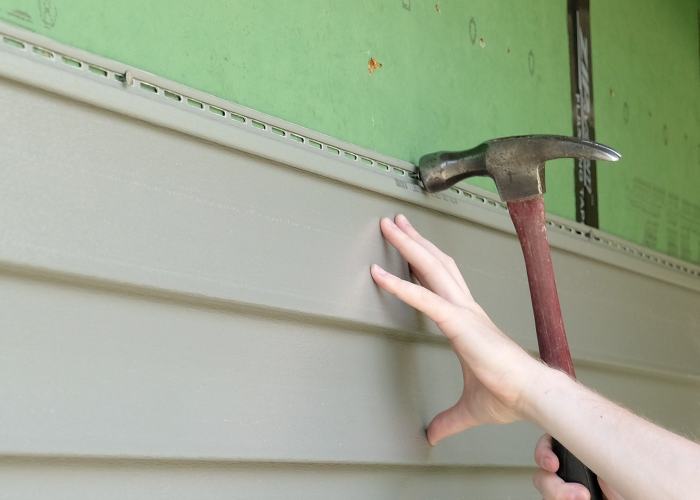
Vinyl siding comes in various types, each offering unique styles, colors, textures, and cost implications to consider before installation.
Horizontal Vinyl Siding
Horizontal vinyl siding is the most common type, available in a wide range of styles such as traditional lap, Dutch lap, and beaded. It comes in numerous colors and textures, providing versatility in design options. The cost of horizontal vinyl siding varies depending on the quality and brand.
Vertical Vinyl Siding
Vertical vinyl siding offers a modern and unique look to homes. It is available in board and batten style, creating a visual interest with alternating wide and narrow panels. Vertical siding typically comes in fewer color options compared to horizontal siding but offers a contemporary aesthetic.
The cost might be slightly higher due to the specialized installation techniques required.
Shake Vinyl Siding
Shake vinyl siding mimics the look of natural cedar shakes, providing a rustic and textured appearance. It is available in various colors and styles, adding character and charm to a home's exterior. Shake vinyl siding tends to be more expensive than horizontal or vertical siding due to its intricate design and labor-intensive installation process.
Insulated Vinyl Siding
Insulated vinyl siding features built-in insulation to improve energy efficiency and reduce heating and cooling costs. This type of siding is available in different styles and colors, offering both aesthetic appeal and functional benefits. While the initial cost may be higher than traditional vinyl siding, the long-term savings on energy bills make it a cost-effective choice in the long run.
Preparation for Vinyl Siding Installation
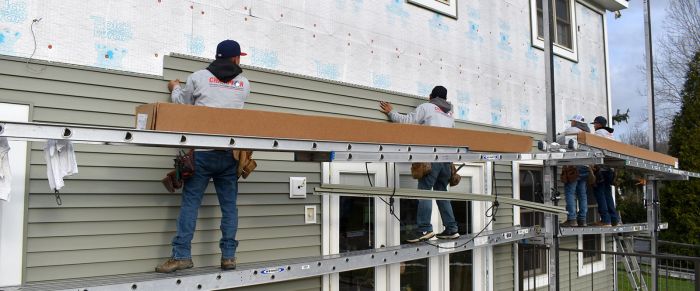
Before starting the installation of vinyl siding, it is crucial to properly prepare the exterior wall to ensure a successful and lasting result.
Checklist of Tools and Materials Needed:
- Vinyl siding panels
- J-channel
- Utility knife
- Tin snips
- Tape measure
- Level
- Hammer
- Nails
- Caulk gun
- House wrap
- Insulation
Steps Involved in Preparing the Exterior Wall:
- Clean the exterior wall thoroughly to remove any dirt, debris, or old siding.
- Inspect the wall for any damage or rot and repair as necessary.
- Install house wrap to provide an additional layer of protection against moisture.
- Apply insulation to improve energy efficiency and provide a flat surface for the vinyl siding.
- Install J-channel around windows, doors, and corners to create a finished look and secure the siding.
Importance of Proper Insulation Before Installing Vinyl Siding:
Insulation plays a crucial role in maintaining the energy efficiency of your home. Proper insulation helps regulate indoor temperatures, reduces energy costs, and improves overall comfort. Additionally, insulating before installing vinyl siding ensures a smooth and even surface, preventing any warping or damage to the siding in the future.
Installation Process
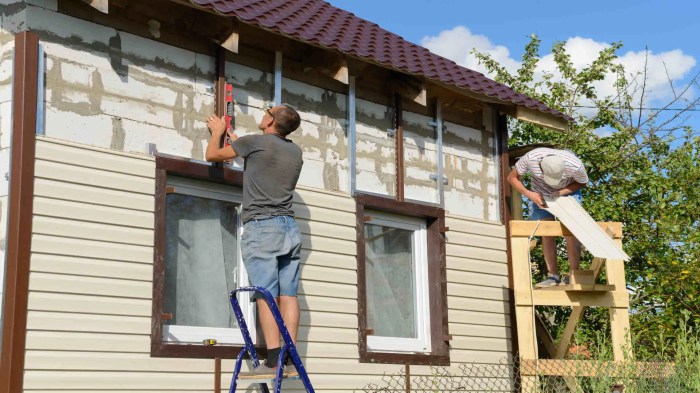
When it comes to installing vinyl siding on your home, it's essential to follow a step-by-step process to ensure a seamless and professional finish. From measuring and cutting panels accurately to making sure everything is properly aligned, each step plays a crucial role in the overall success of the installation.
Measuring and Cutting Siding Panels
To start, carefully measure the area where the siding will be installed to determine how many panels you will need. When cutting the siding panels, use a sharp utility knife or tin snips for a clean and precise cut. Remember to measure twice and cut once to avoid any mistakes that could result in wasted materials.
- Measure the length and width of the area to be covered with siding panels.
- Mark the measurements on the panels using a pencil or chalk line.
- Use a straight edge as a guide when cutting the panels to ensure straight and accurate cuts.
- Double-check your measurements before cutting to avoid errors.
Tips for a Seamless Installation
For a professional-looking finish, consider the following tips to ensure a seamless installation of vinyl siding:
- Start at the bottom and work your way up when installing the panels to prevent water infiltration.
- Overlap the panels correctly to allow for expansion and contraction with temperature changes.
- Use J-channels around windows, doors, and corners for a clean and finished look.
- Secure the panels properly to prevent sagging or buckling over time.
- Step back frequently to check the alignment and overall appearance of the siding for a uniform finish.
Finishing Touches and Maintenance
When it comes to home vinyl siding installation, paying attention to finishing touches and maintenance is crucial for ensuring the longevity and aesthetic appeal of your siding. Here we will discuss the importance of finishing touches like trim and corner pieces, provide guidance on maintaining vinyl siding, and share tips for cleaning and caring for vinyl siding.
Importance of Finishing Touches
Finishing touches such as trim and corner pieces not only enhance the overall look of your home but also provide protection against elements like moisture and pests. Properly installed trim and corner pieces can help seal off edges and create a seamless finish, improving the durability and weather resistance of your vinyl siding.
Maintaining Vinyl Siding for Longevity
- Regularly inspect your vinyl siding for any signs of damage, such as cracks, chips, or warping.
- Clean your siding at least once a year using a mild detergent, a soft brush, and a garden hose to remove dirt, grime, and mildew.
- Avoid using harsh chemicals or abrasive tools that can damage the surface of the siding.
- Trim back any overgrown vegetation around your home to prevent it from rubbing against the siding and causing scratches or damage.
- Consider applying a protective coating or sealant to help prolong the life of your vinyl siding and maintain its color and finish.
Cleaning and Caring for Vinyl Siding
- Regularly rinse your siding with water to prevent dirt and debris from building up.
- If you notice mold or mildew growth, mix a solution of water and white vinegar to gently scrub the affected areas.
- For tougher stains, you can use a mixture of water and mild soap or a specialized vinyl siding cleaner.
- When cleaning your siding, start from the bottom and work your way up to prevent streaking.
- Avoid pressure washing your vinyl siding as it can force water behind the panels and cause damage.
Final Thoughts
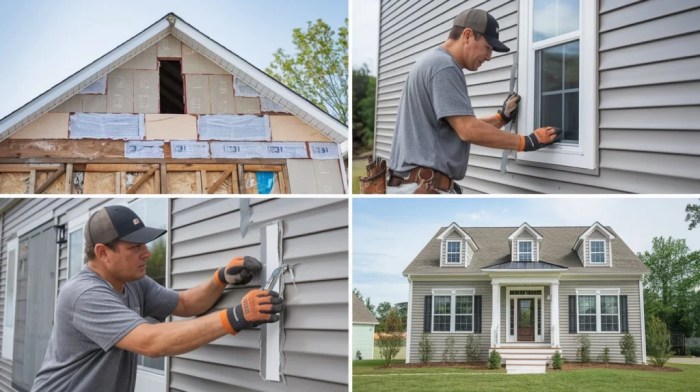
In conclusion, home vinyl siding installation is a transformative process that offers a myriad of benefits. From easy maintenance to long-lasting durability, investing in vinyl siding can truly elevate your home's exterior. As you embark on this journey, remember to prioritize quality, precision, and regular upkeep for a stunning and resilient outcome.
Query Resolution
What are the benefits of vinyl siding?
Vinyl siding is known for its durability, low maintenance, versatility in styles and colors, and cost-effectiveness compared to other materials.
How do I prepare for vinyl siding installation?
Prepare by gathering necessary tools and materials, prepping the exterior wall surface, and ensuring proper insulation for energy efficiency.
What are the common types of vinyl siding available?
Common types include horizontal and vertical panels, shingles, shakes, and scallops, each offering unique styles and textures.
How do I maintain vinyl siding for longevity?
Maintain vinyl siding by regularly cleaning it with a mild detergent, inspecting for damage, and addressing any issues promptly to prevent damage.

